[art
revolution]
revolution]
The Art Pulse
2026

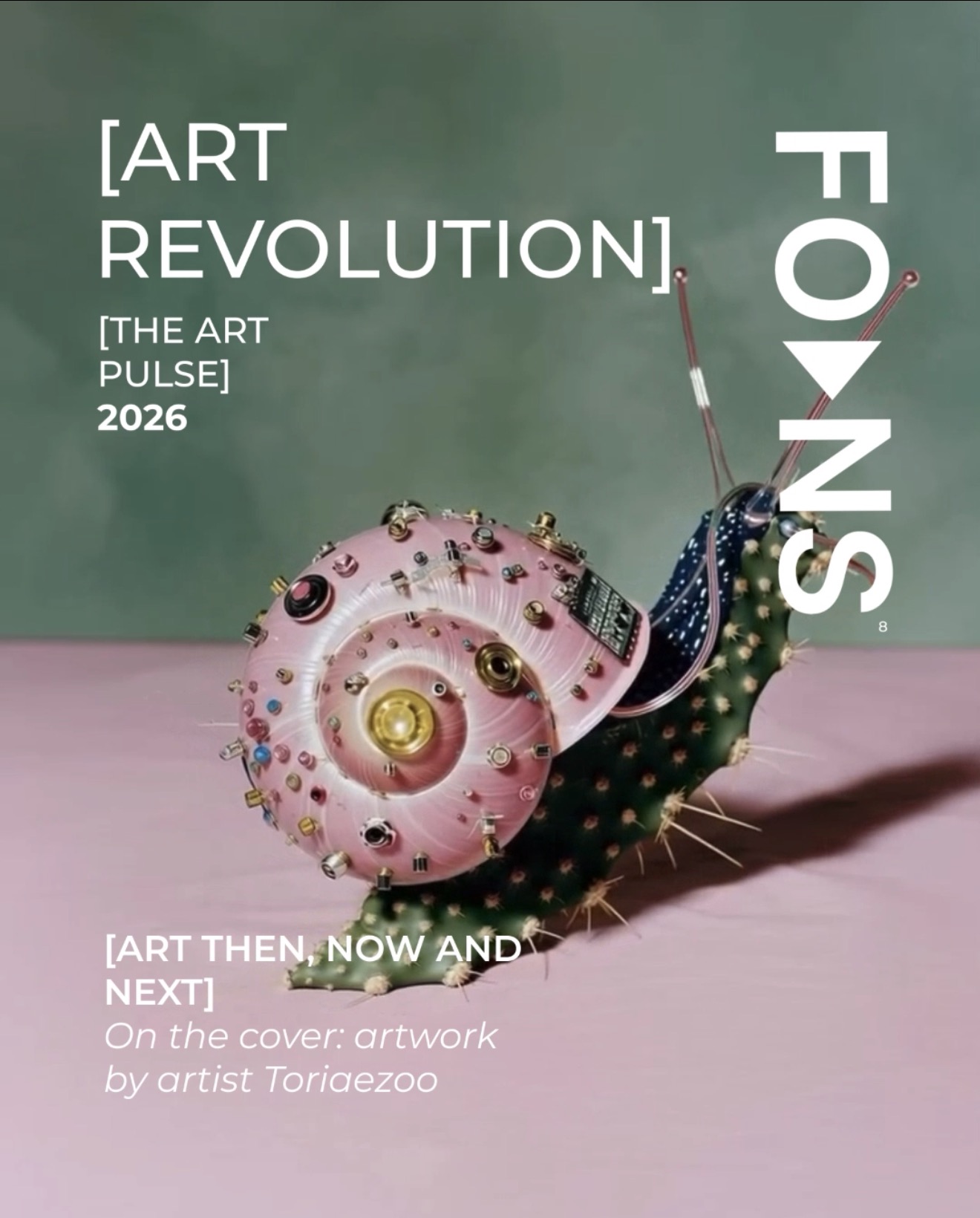
Whenever art and music begin to evolve — whether due to the emergence of new technologies or a crisis — the audience's reaction remains unchanged: people stop considering it art and stubbornly hold their ground, dismissing the fact that any tool or new style requires skillful mastery in order to consistently achieve a unique and refined result.
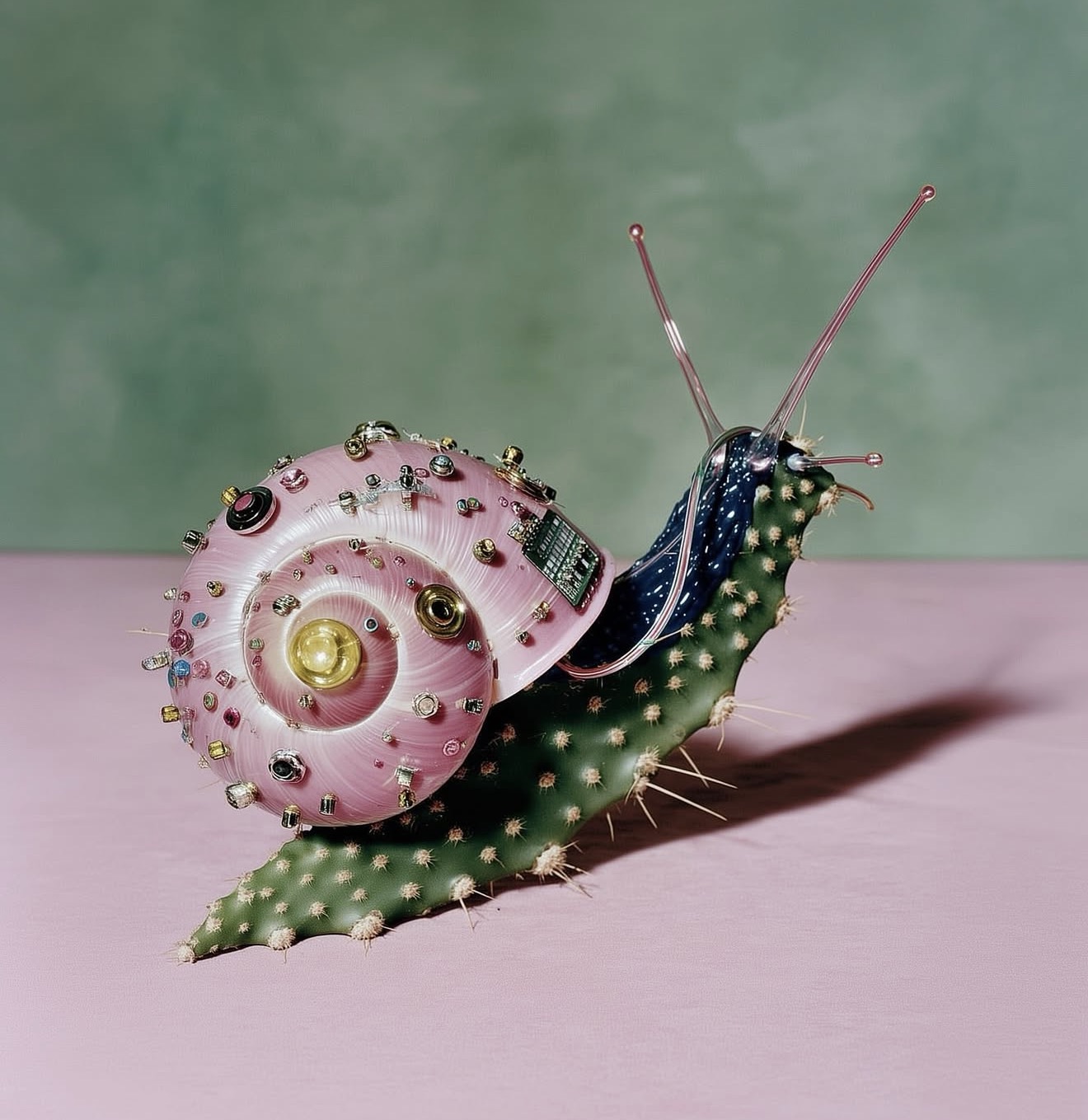
Artwork by artist Toriaezoo
Instagram: toriaezo
Instagram: toriaezo
The same thing is happening now. Technology has helped expand the artist's toolkit. Progressive people see this as a new wave, while skeptics refuse to accept that it's just a tool — one whose use requires skill — insisting instead that AI does everything for the artist and that writing a prompt doesn't qualify as "being an artist." But behind it lies experience, a unique vision, often a design and art education, countless mistakes and attempts to master this new tool. Anyone who has ever tried working with AI with the goal of achieving a specific image or sound knows that it's an extremely painstaking process.
We are truly witnessing an art revolution right now. This time, it's connected to a technological breakthrough. We are already seeing the birth of new styles and the visual language of this new era — one that, in 30 years, will be studied as a phenomenon and drawn upon for inspiration.
We spoke with Nina Sabina Caballero, director of AICC Creators, and several artists who use AI in their projects to gain a deeper understanding of how these processes unfold.
AI art is a completely new phenomenon. How do you see the future of AI art? What niche will it occupy?
I don’t see AI art as a separate niche. I see it as part of a longer continuum of art history. Every era has introduced new tools that reshaped how artists work—oil paint, photography, digital media. AI is another shift, but perhaps the most profound, because it challenges not only technique, but authorship itself.
The future of AI art will not be defined by the technology, but by the artists who use it with intention. As the tools become more accessible, the real distinction will come from artistic vision, cultural awareness, and depth of thinking.
In that sense, AI art will naturally integrate into the broader art world. It will exist across disciplines; film, fashion, design, but the strongest work will still carry what has always mattered: composition, narrative, emotion, and meaning.
For me, AI is not replacing art. It is expanding the space in which art can exist.
The future of AI art will not be defined by the technology, but by the artists who use it with intention. As the tools become more accessible, the real distinction will come from artistic vision, cultural awareness, and depth of thinking.
In that sense, AI art will naturally integrate into the broader art world. It will exist across disciplines; film, fashion, design, but the strongest work will still carry what has always mattered: composition, narrative, emotion, and meaning.
For me, AI is not replacing art. It is expanding the space in which art can exist.
What advice would you give to beginner AI creators?
Resist the illusion of speed. AI will tempt you to create endlessly, but creation without intention is noise.
Slow down. Develop your eye. Train your taste. Study the masters, not to imitate them, but to understand why their work endures.
Do not define yourself by prompts or tools. Define yourself by vision.
Create bodies of work, not fragments. Think in narratives, in systems, in universes. Repetition builds identity. And above all, protect your originality. In an era of infinite generation, authenticity is the only true signature.
Slow down. Develop your eye. Train your taste. Study the masters, not to imitate them, but to understand why their work endures.
Do not define yourself by prompts or tools. Define yourself by vision.
Create bodies of work, not fragments. Think in narratives, in systems, in universes. Repetition builds identity. And above all, protect your originality. In an era of infinite generation, authenticity is the only true signature.
Tell me about your personal emotions when you started using AI — what did it give you? What opportunities did it open up for you?
When I first started using AI, it felt like unlocking a new dimension of creation.
Coming from a fine arts background, I was used to slow, material-based processes. AI introduced a different kind of flow—one where ideas could be visualized instantly, iterated endlessly, and expanded beyond physical limitations. It gave me freedom. Freedom to explore complex concepts, to build entire universes, and to merge classical aesthetics with futuristic visions.
But more than that, it opened doors globally. It connected me with a new generation of artists, platforms, and opportunities that simply didn’t exist before. It allowed me to step into a role not only as an artist, but as a builder of communities and creative ecosystems shaping the future of art.
Instagram: aicccreators
Site: aicccreaators
Coming from a fine arts background, I was used to slow, material-based processes. AI introduced a different kind of flow—one where ideas could be visualized instantly, iterated endlessly, and expanded beyond physical limitations. It gave me freedom. Freedom to explore complex concepts, to build entire universes, and to merge classical aesthetics with futuristic visions.
But more than that, it opened doors globally. It connected me with a new generation of artists, platforms, and opportunities that simply didn’t exist before. It allowed me to step into a role not only as an artist, but as a builder of communities and creative ecosystems shaping the future of art.
Instagram: aicccreators
Site: aicccreaators
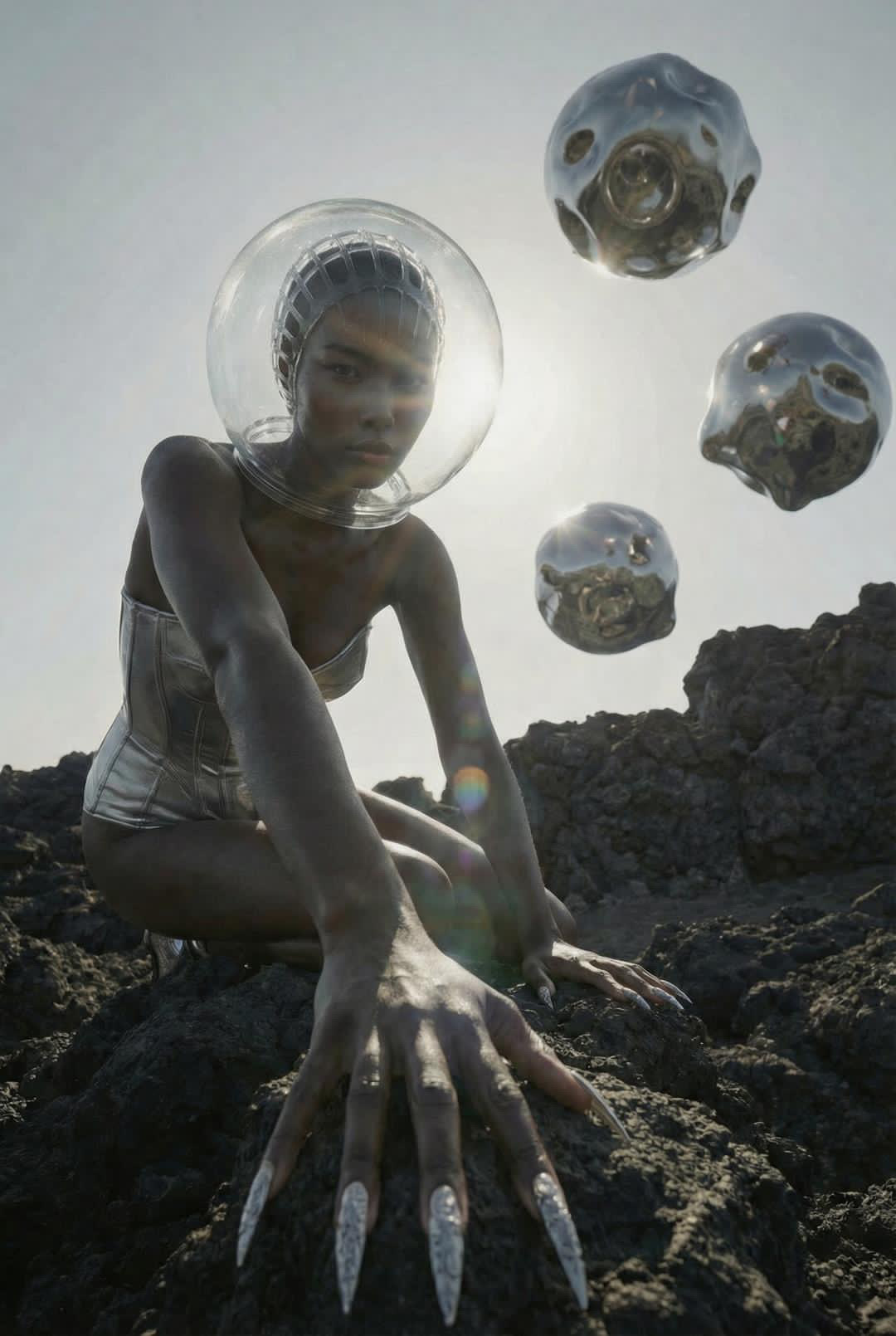
Artwork by artist Nina Sabina Caballero
Instagram: Nina Sabina Caballero
Instagram: Nina Sabina Caballero
Barak Rotem, digital artist / video creator.
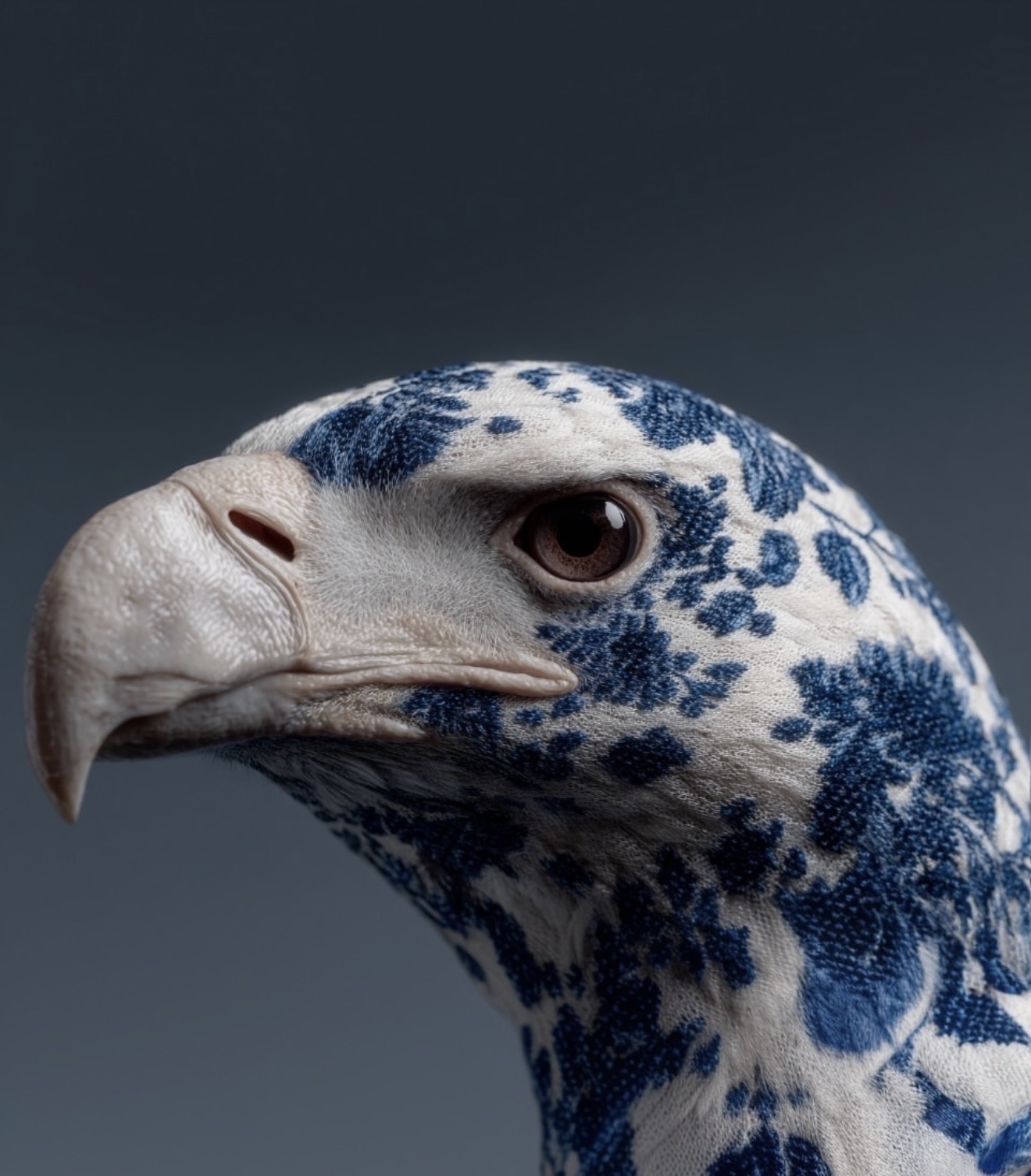
"For me, the tool itself isn't what matters most. What matters is creating a visual language that feels cohesive, tangible, and emotionally grounded — even when the world itself is fictional".
"From a process perspective, artificial intelligence is just one layer. I work with image editing tools, compositing, scaling, and video editing to enhance movement and atmosphere. I often approach images as if they were photographed — thinking about lighting, lenses, framing, and material behavior.
My process is iterative and quite precise. I create, then reshape, then rebuild. Sometimes small adjustments — texture, a shadow, or stitching — make the image feel truly realistic".
Instagram: barak.rotem
My process is iterative and quite precise. I create, then reshape, then rebuild. Sometimes small adjustments — texture, a shadow, or stitching — make the image feel truly realistic".
Instagram: barak.rotem
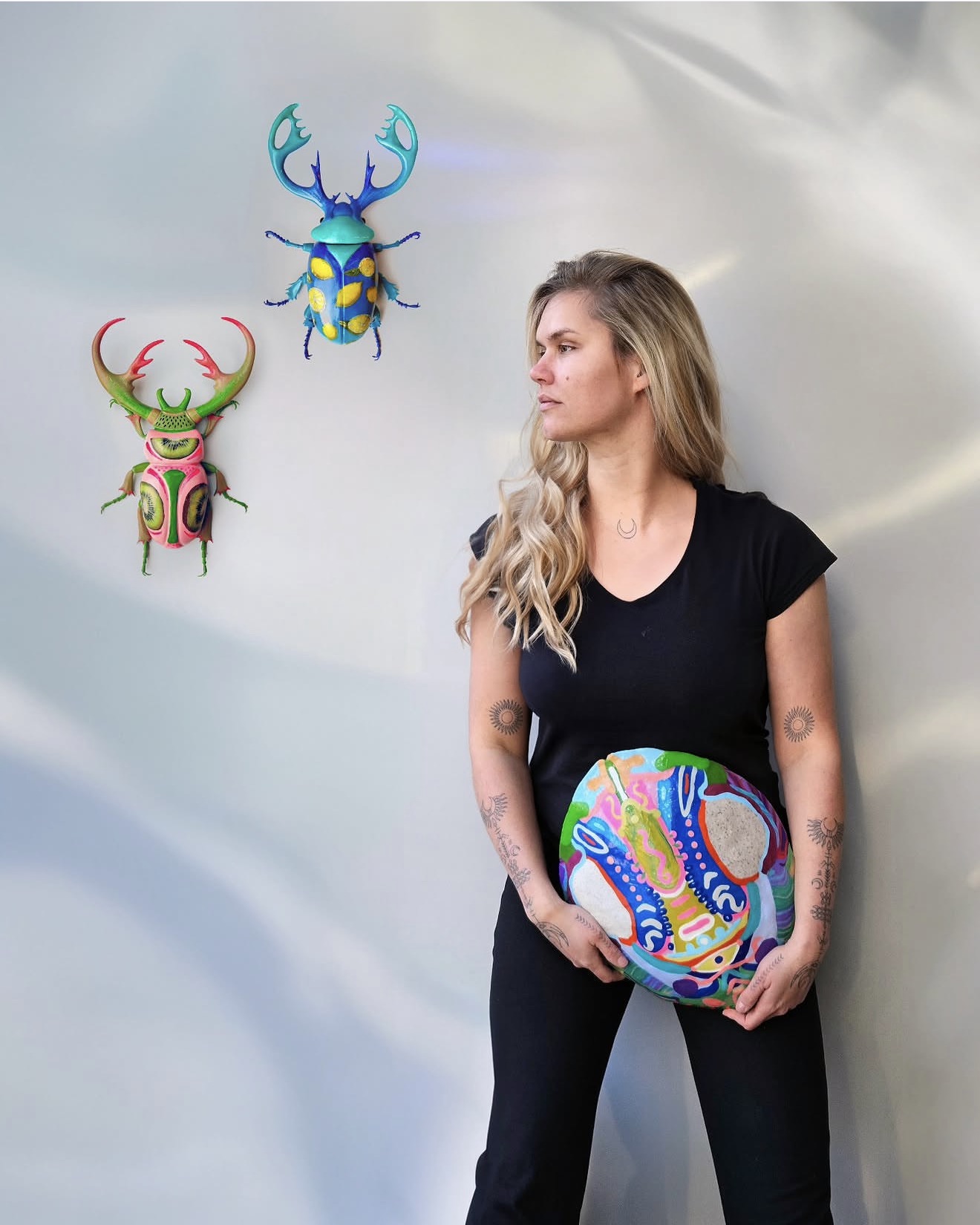
"AI has saved me a ton of time — I think very quickly, and thanks to AI, I can finally work at the pace I've always dreamed of ".
"I create artistic prints, paintings, and 3D objects. Most of the time, it's a synthesis of digital illustrations, photography, AI, and drawing in Adobe Digital.
For example, when working with 3D objects, I first generate a form using AI, then model it in 3D Fusion, print it, and finish it with hand painting or an epoxy resin coating. I also use epoxy resin and polymer clay. Sometimes I create small prints with AI, print them onto heat transfer paper, and transfer them onto 3D objects".
"After the very first generation, I literally jumped up in the air, screamed, and looked at my husband with my mouth wide open."
Instagram: charliemoon.art
Site: charliemoon.com
For example, when working with 3D objects, I first generate a form using AI, then model it in 3D Fusion, print it, and finish it with hand painting or an epoxy resin coating. I also use epoxy resin and polymer clay. Sometimes I create small prints with AI, print them onto heat transfer paper, and transfer them onto 3D objects".
"After the very first generation, I literally jumped up in the air, screamed, and looked at my husband with my mouth wide open."
Instagram: charliemoon.art
Site: charliemoon.com
Charlie Moon, artist/designer
For many in the creative industry, AI is an assistant that has opened up new possibilities, eliminated routine tasks, and freed up time for genuine creativity. A neural network doesn't infuse your work with soul — it takes care of the rough drafts. Everything else, just like a hundred years ago, is up to us.
Whether we want it or not, the world turns and changes. Progress and crises come crashing down on us like a wave, and everyone meets that wave in their own way.
Whether we want it or not, the world turns and changes. Progress and crises come crashing down on us like a wave, and everyone meets that wave in their own way.
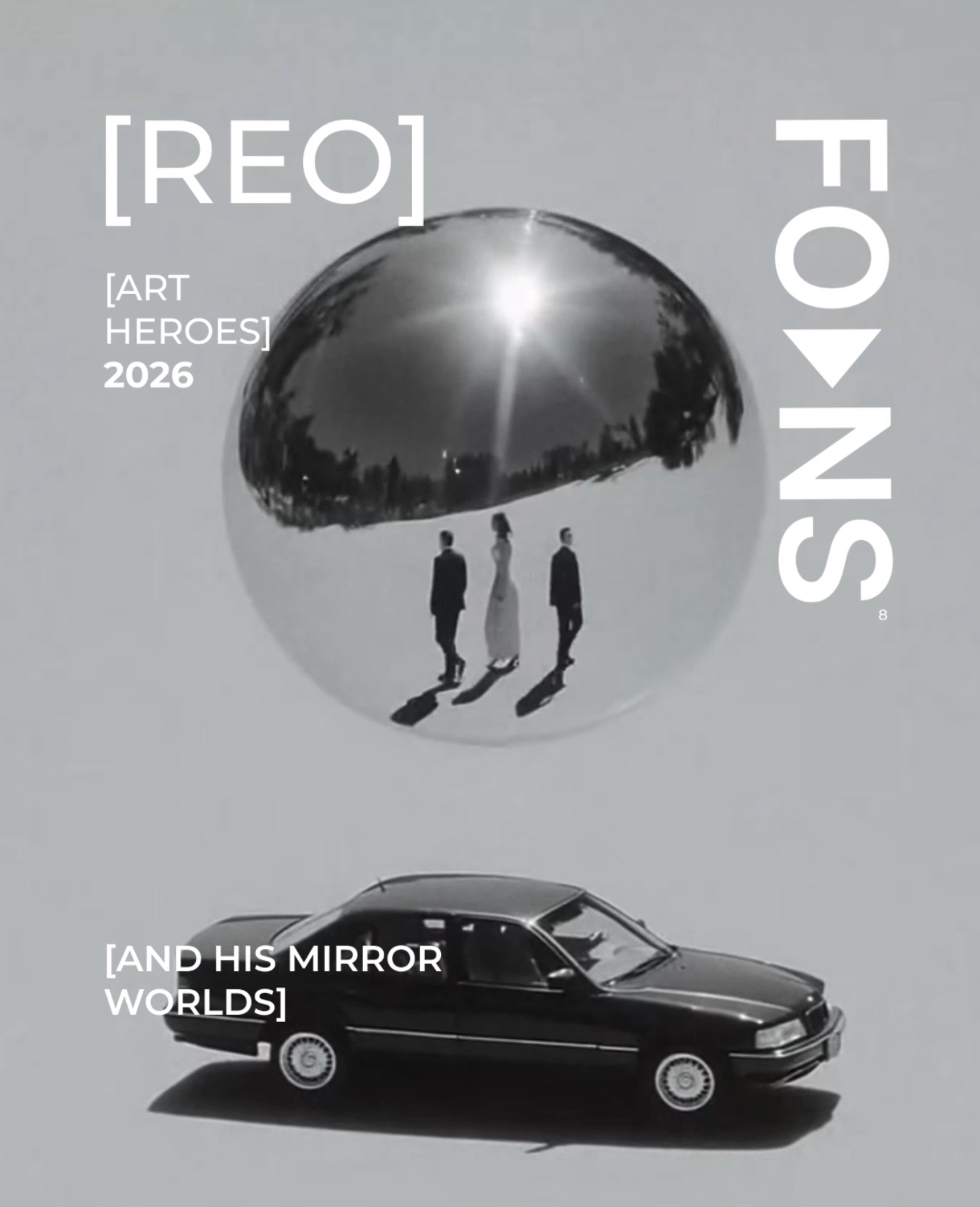
#1REO
#3 ART
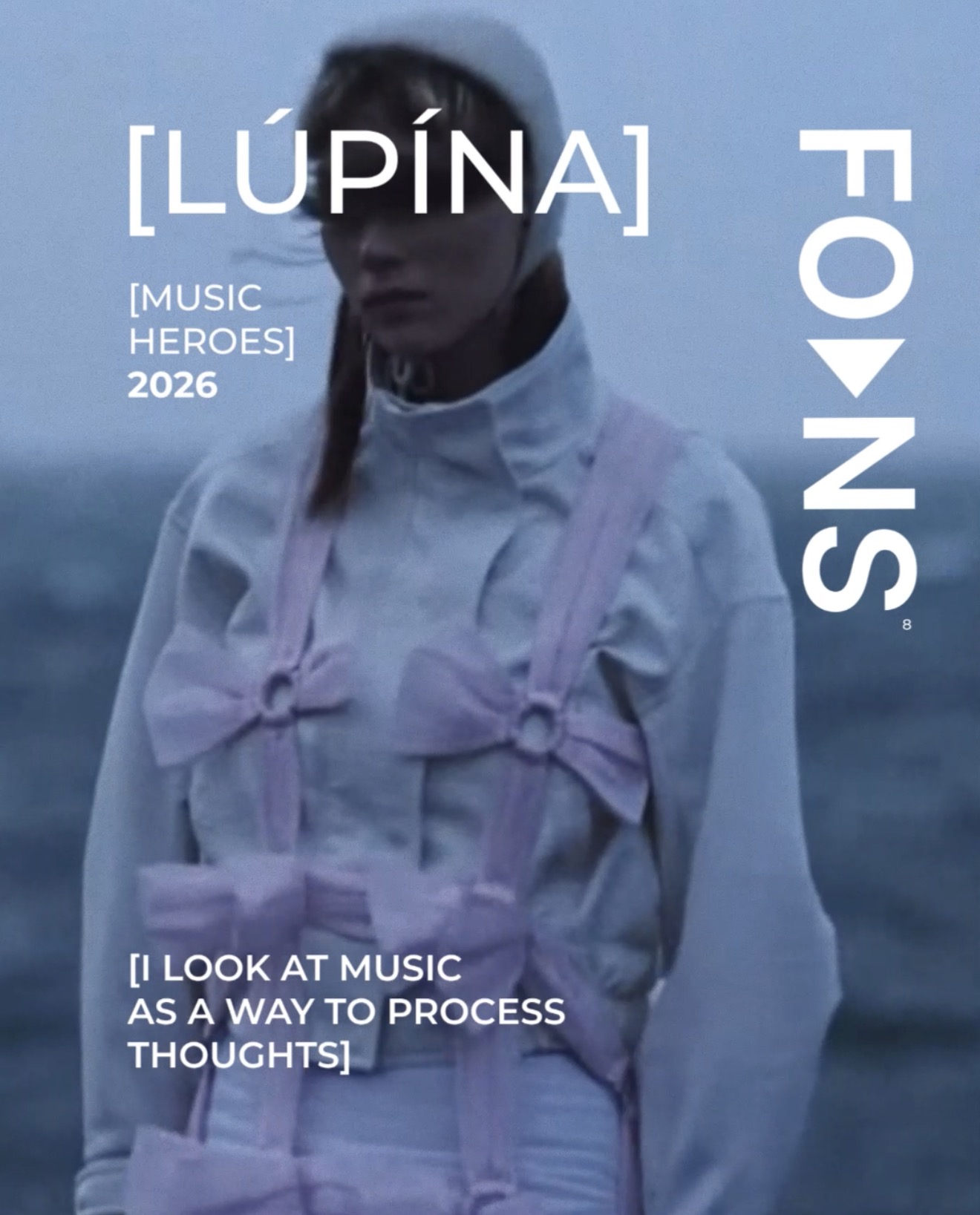
#2 LUPINA
© 2026 Company Inc. All rights reserved.
