[Creative Media]
A Shelter from Algorithms and Trends
2026 july
2026 july
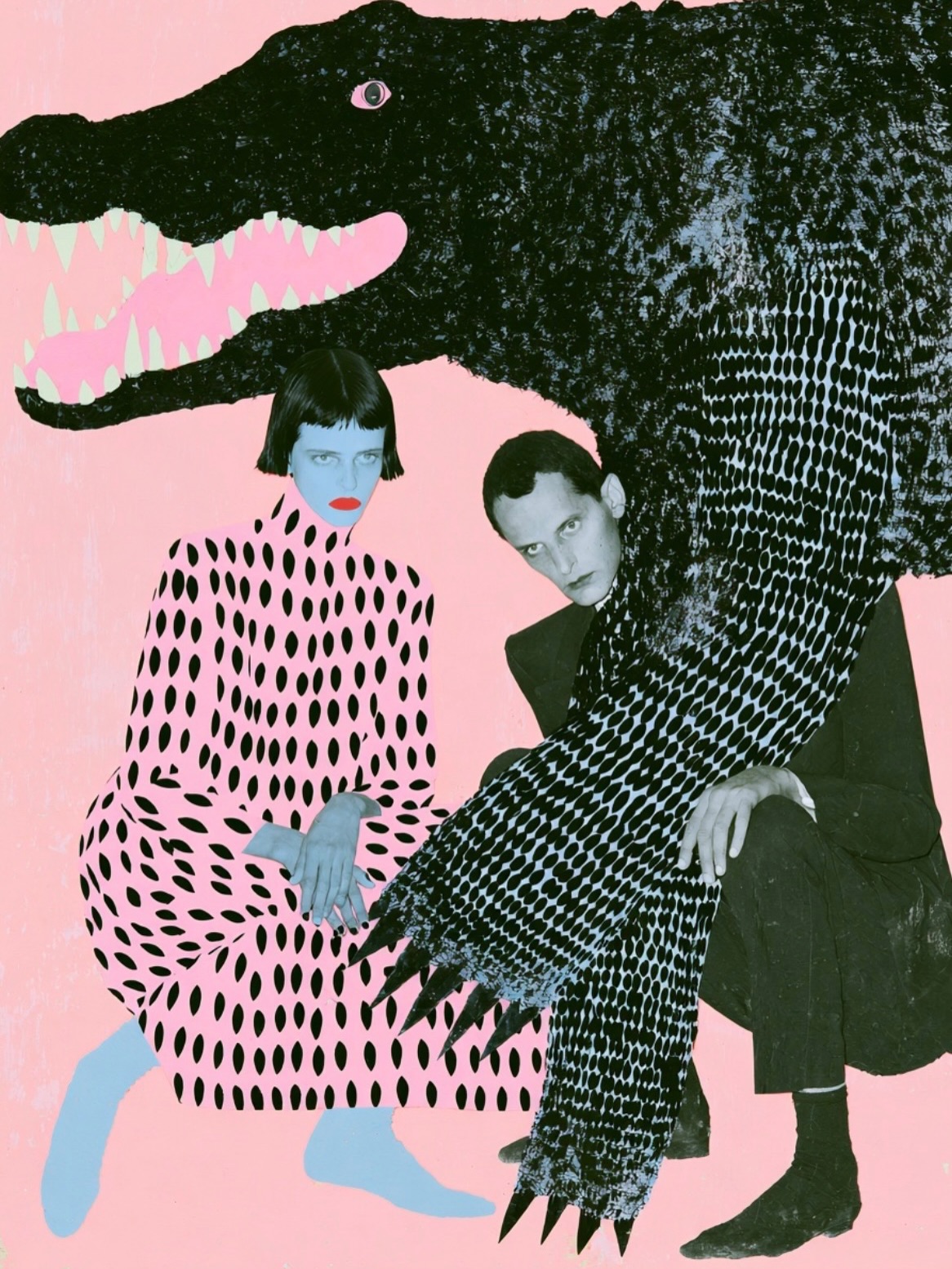
In the article and on the cover, works by the artist Nuai from the series "not amused" and "sleep paralysis".

Today, it’s commonly believed that creative media have lost their former influence, having been overtaken by personal brands. And that’s true — their reach has certainly diminished. But their importance hasn’t decreased. In this article, we explain why.
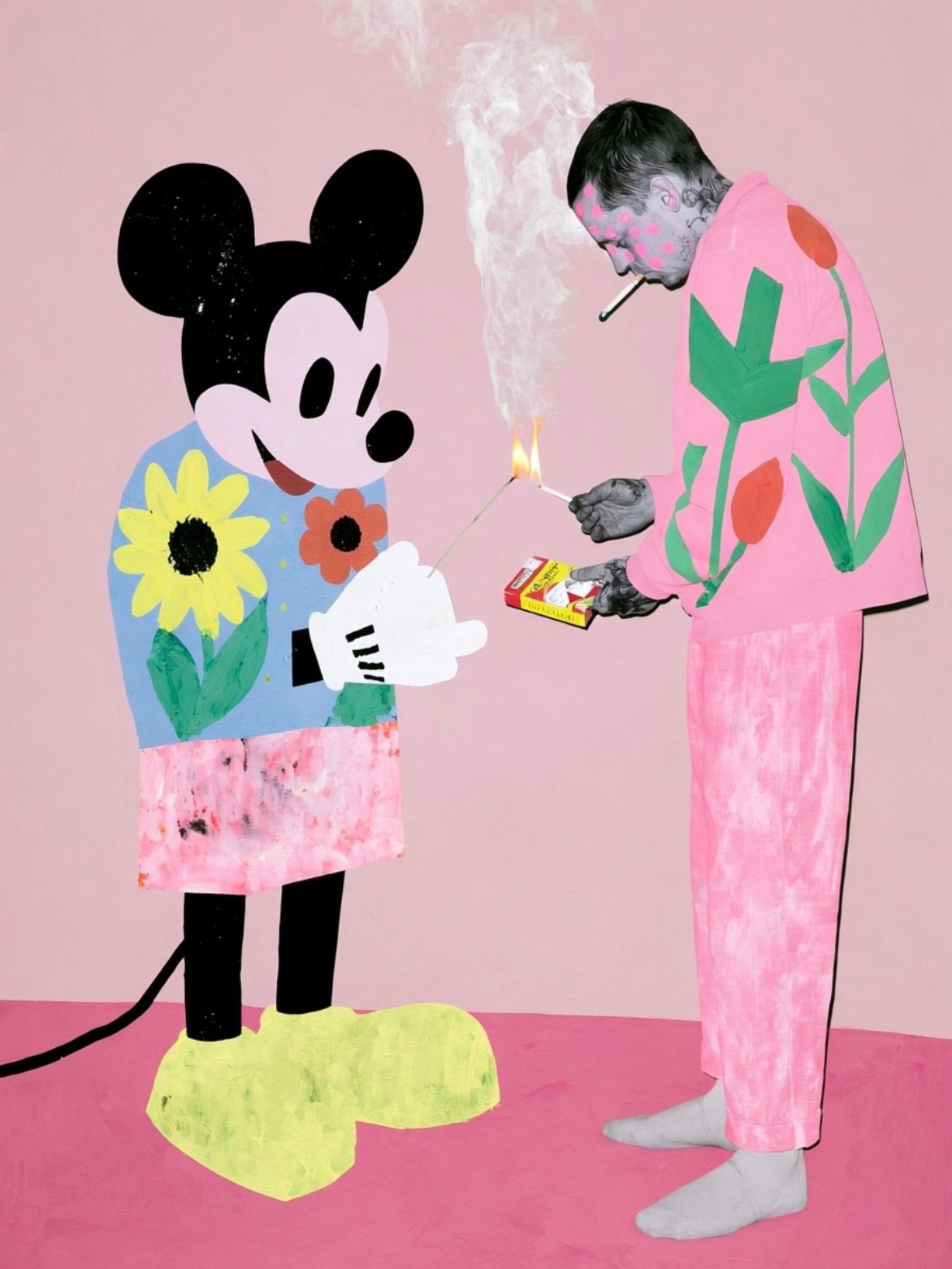
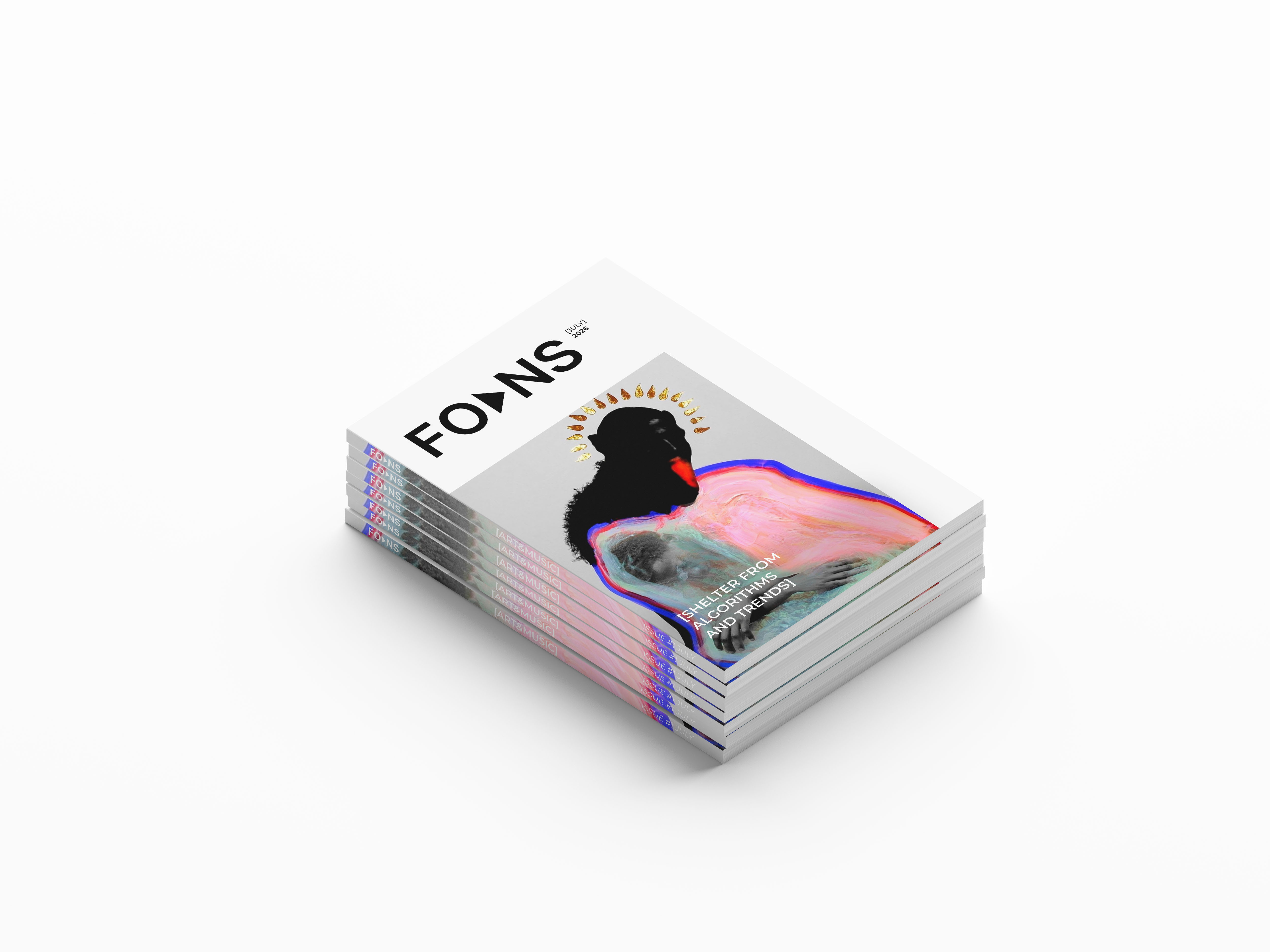
First, it’s great when some people create and others reflect on that creation. Second, not all artists know how to present themselves well. Third, a strong creative media platform is built on curation: a talented editor sees qualities in an author that the author themselves may not notice. Working with a publication offers a fresh, alternative perspective on one’s own work.
Print media also remain important. The channels for rapid information have changed, but for deeper immersion, print editions are still relevant. True connoisseurs continue to buy and collect magazines, enjoying them over a cup of coffee or tea. It’s a luxury of our time — to allow yourself
to slow down, absorb, and leisurely turn pages. Though this way of reaching an audience is now niche rather than mass, it forges the strongest emotional connection.
To be featured in the print or digital edition of Fons, simply reach out to us via DM — we consider submissions from all creators.
Print media also remain important. The channels for rapid information have changed, but for deeper immersion, print editions are still relevant. True connoisseurs continue to buy and collect magazines, enjoying them over a cup of coffee or tea. It’s a luxury of our time — to allow yourself
to slow down, absorb, and leisurely turn pages. Though this way of reaching an audience is now niche rather than mass, it forges the strongest emotional connection.
To be featured in the print or digital edition of Fons, simply reach out to us via DM — we consider submissions from all creators.
[it’s great when some people create and others reflect on that creation]
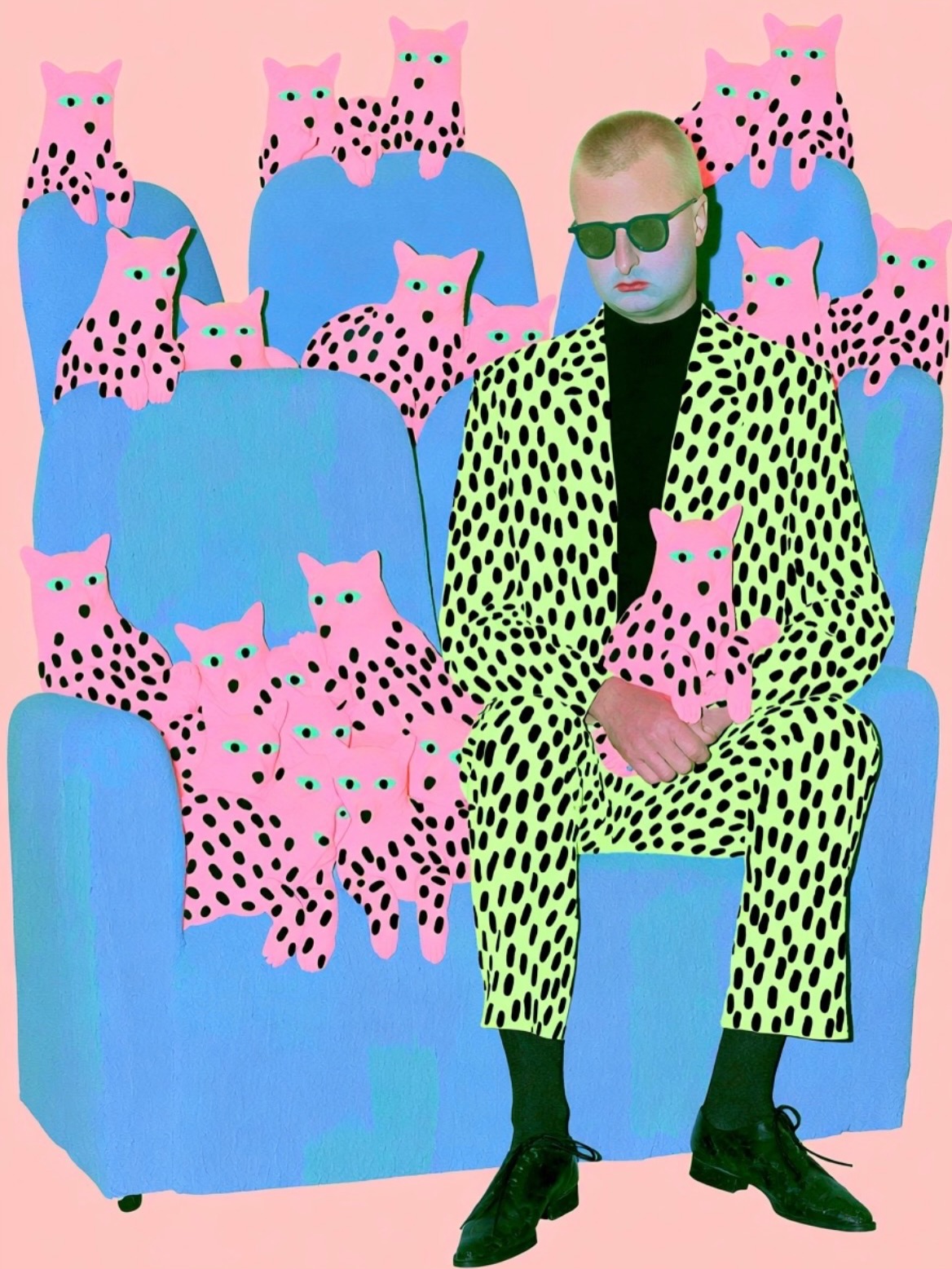
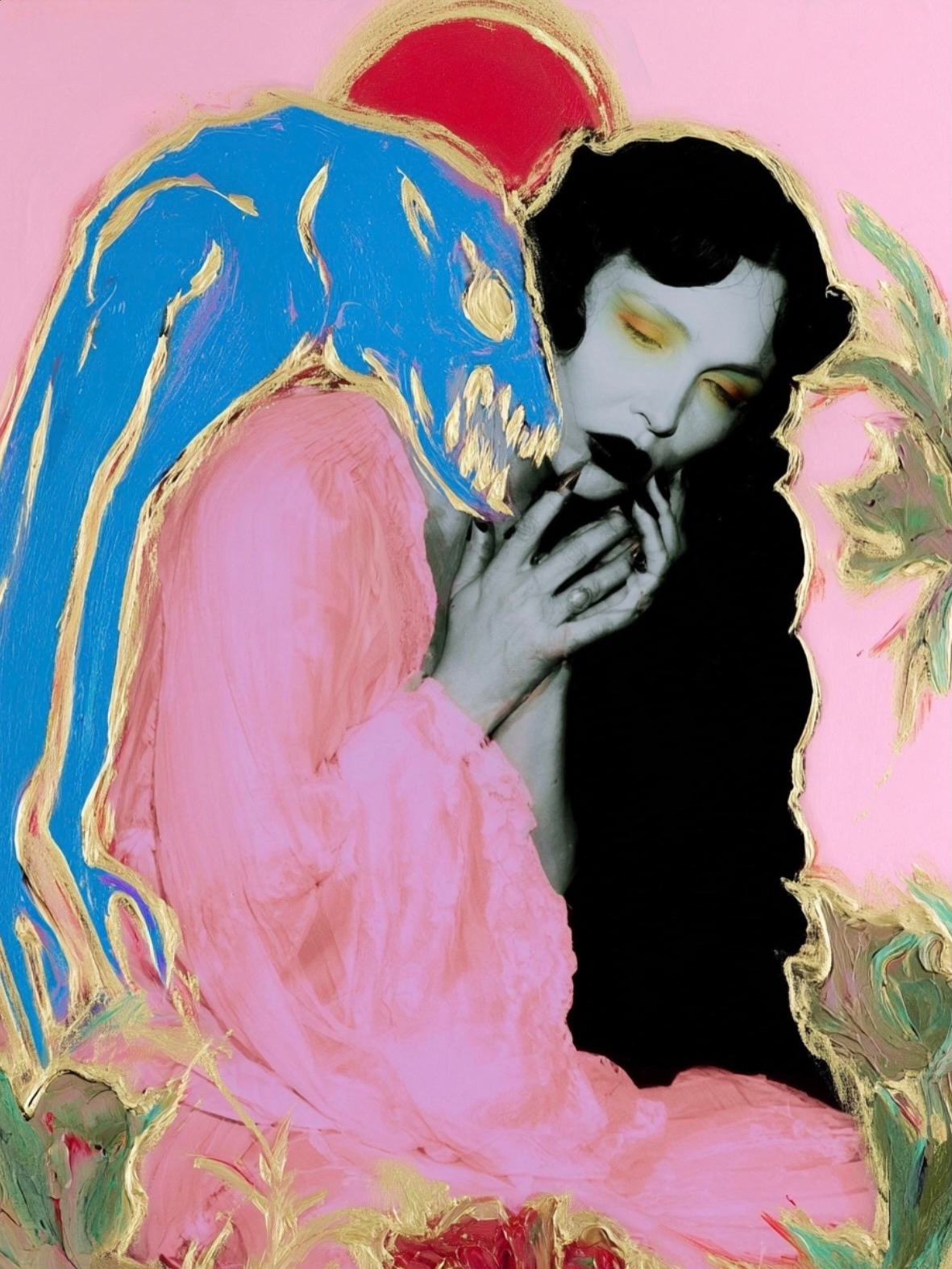
But there’s another, more crucial reason — one rooted in a pressing issue: how social media currently affect art and music. This influence is double‑edged. On one hand, it gives every creator a chance to find their audience. On the other, it has a destructive effect. Algorithms are constantly changing, and with them, the rules of the game. Creators are forced to invest huge resources into maintaining their social media presence, while audience attention shifts from the substance of their work to primitive scenarios that algorithms eagerly promote. Posting a piece with a caption is no longer enough.
Now artists have to think less about their ideas and process, and more about how to surprise, grab attention, and chase trends. Gradually, their art turns into a product of mass, fast consumption — which contradicts its very nature.
It is precisely in this context that creative media take on a vital mission. They offer creators not only informational support, but, more importantly, the reassurance that their work is valuable in itself — without any gimmicks. That it is understood and appreciated by those who truly care — people for whom writing about art is as natural as creating it.
The benefit is clear on both sides: the creative media gain meaningful content, while creators receive support, recognition, and tools for self‑presentation. This synergy ensures that creative media will always remain relevant.
Now artists have to think less about their ideas and process, and more about how to surprise, grab attention, and chase trends. Gradually, their art turns into a product of mass, fast consumption — which contradicts its very nature.
It is precisely in this context that creative media take on a vital mission. They offer creators not only informational support, but, more importantly, the reassurance that their work is valuable in itself — without any gimmicks. That it is understood and appreciated by those who truly care — people for whom writing about art is as natural as creating it.
The benefit is clear on both sides: the creative media gain meaningful content, while creators receive support, recognition, and tools for self‑presentation. This synergy ensures that creative media will always remain relevant.
Creative media remains important because it is one of the primary ways humanity shares ideas, emotions, knowledge, and culture. Throughout history, every generation has left behind stories, paintings, books, music, films, and other creative expressions that help us understand not only the world around us, but also ourselves. Creative media serves as a bridge between people, cultures, and generations.
Today, we live in a world where information is abundant, yet meaningful connection can sometimes feel scarce. Creative communities and public platforms provide spaces where people can discover new perspectives, engage in dialogue, and find inspiration. They allow artists and creators to share their work beyond geographical boundaries and connect with audiences they may never have otherwise reached.
I also believe creative communities play an essential role in innovation. Many of the ideas that shape our future begin as conversations between curious people exploring new possibilities. Communities create environments where experimentation is encouraged, where knowledge is shared openly, and where collaboration can flourish. Some of the most exciting developments in art, technology, design, and culture emerge from these intersections.
As someone who works at the crossroads of art and emerging technology, I see creative media as more than a platform for distribution. It is a living ecosystem of ideas. It helps preserve cultural memory, amplify diverse voices, and inspire people to imagine futures that do not yet exist. In a rapidly changing world, creative media remains one of the most powerful tools we have for fostering understanding, creativity, and human connection.
/Nina Sabina Caballero/ Artist & founder of AICC Creators
Today, we live in a world where information is abundant, yet meaningful connection can sometimes feel scarce. Creative communities and public platforms provide spaces where people can discover new perspectives, engage in dialogue, and find inspiration. They allow artists and creators to share their work beyond geographical boundaries and connect with audiences they may never have otherwise reached.
I also believe creative communities play an essential role in innovation. Many of the ideas that shape our future begin as conversations between curious people exploring new possibilities. Communities create environments where experimentation is encouraged, where knowledge is shared openly, and where collaboration can flourish. Some of the most exciting developments in art, technology, design, and culture emerge from these intersections.
As someone who works at the crossroads of art and emerging technology, I see creative media as more than a platform for distribution. It is a living ecosystem of ideas. It helps preserve cultural memory, amplify diverse voices, and inspire people to imagine futures that do not yet exist. In a rapidly changing world, creative media remains one of the most powerful tools we have for fostering understanding, creativity, and human connection.
/Nina Sabina Caballero/ Artist & founder of AICC Creators
#1REO
#3 ART
#2 LUPINA
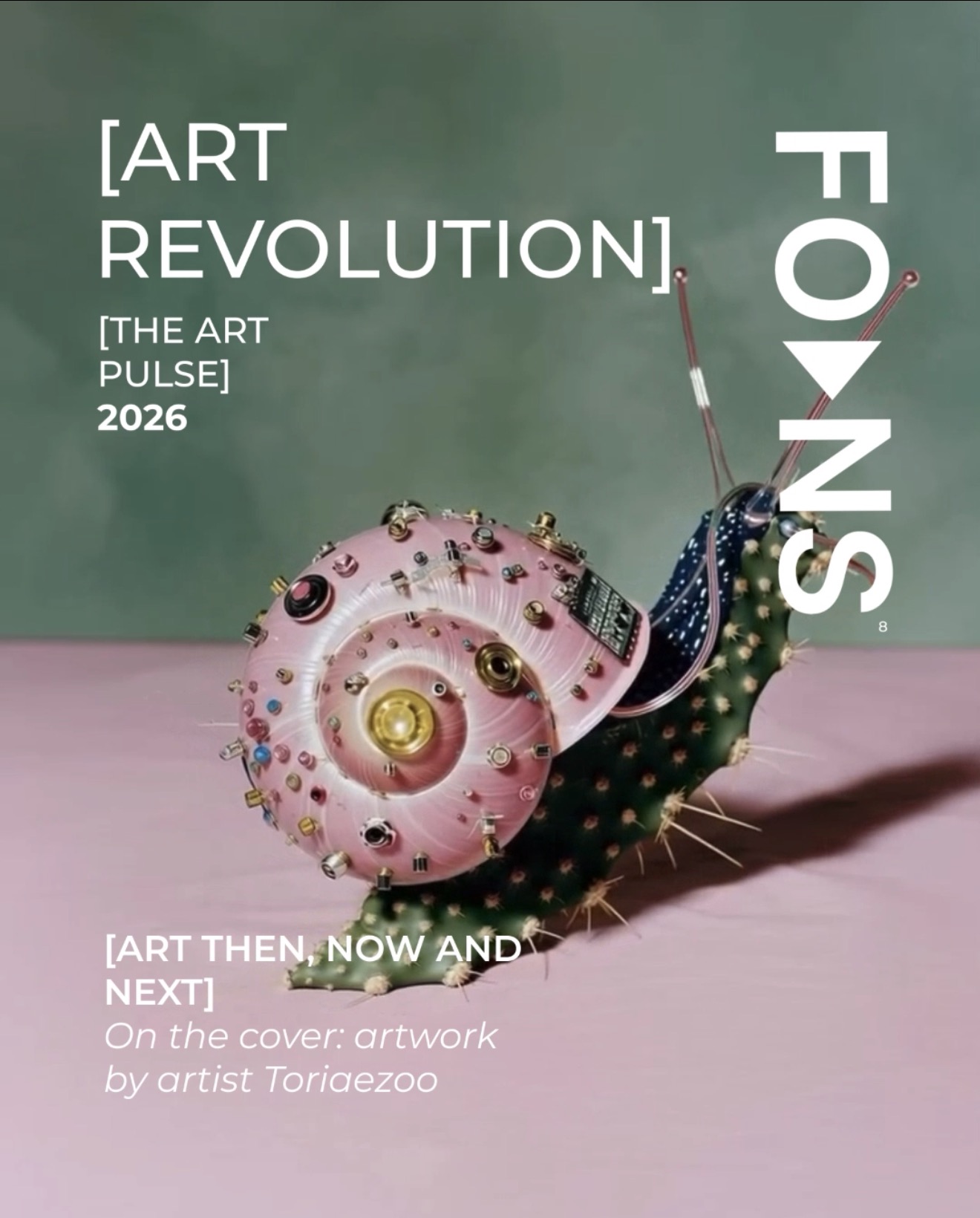
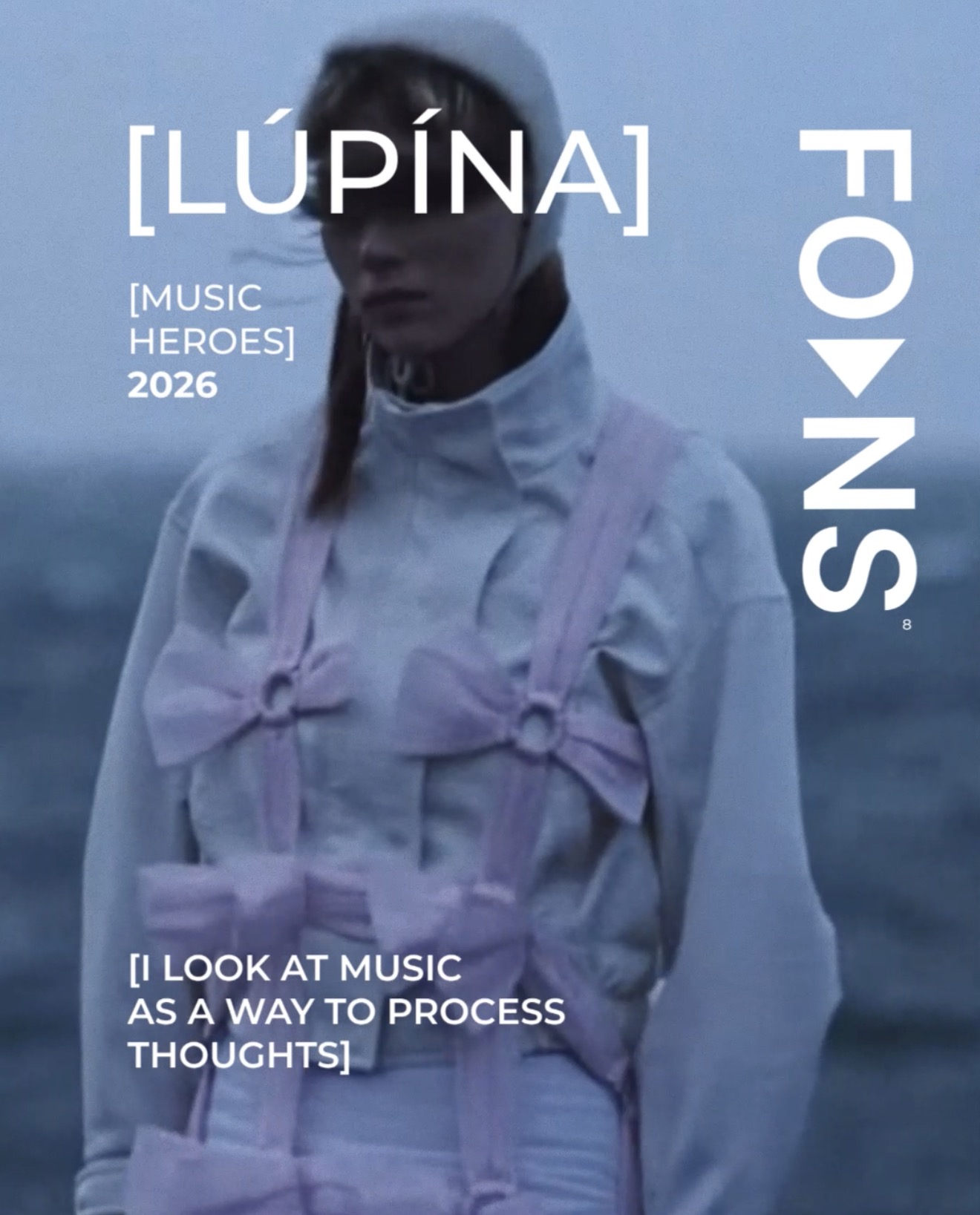
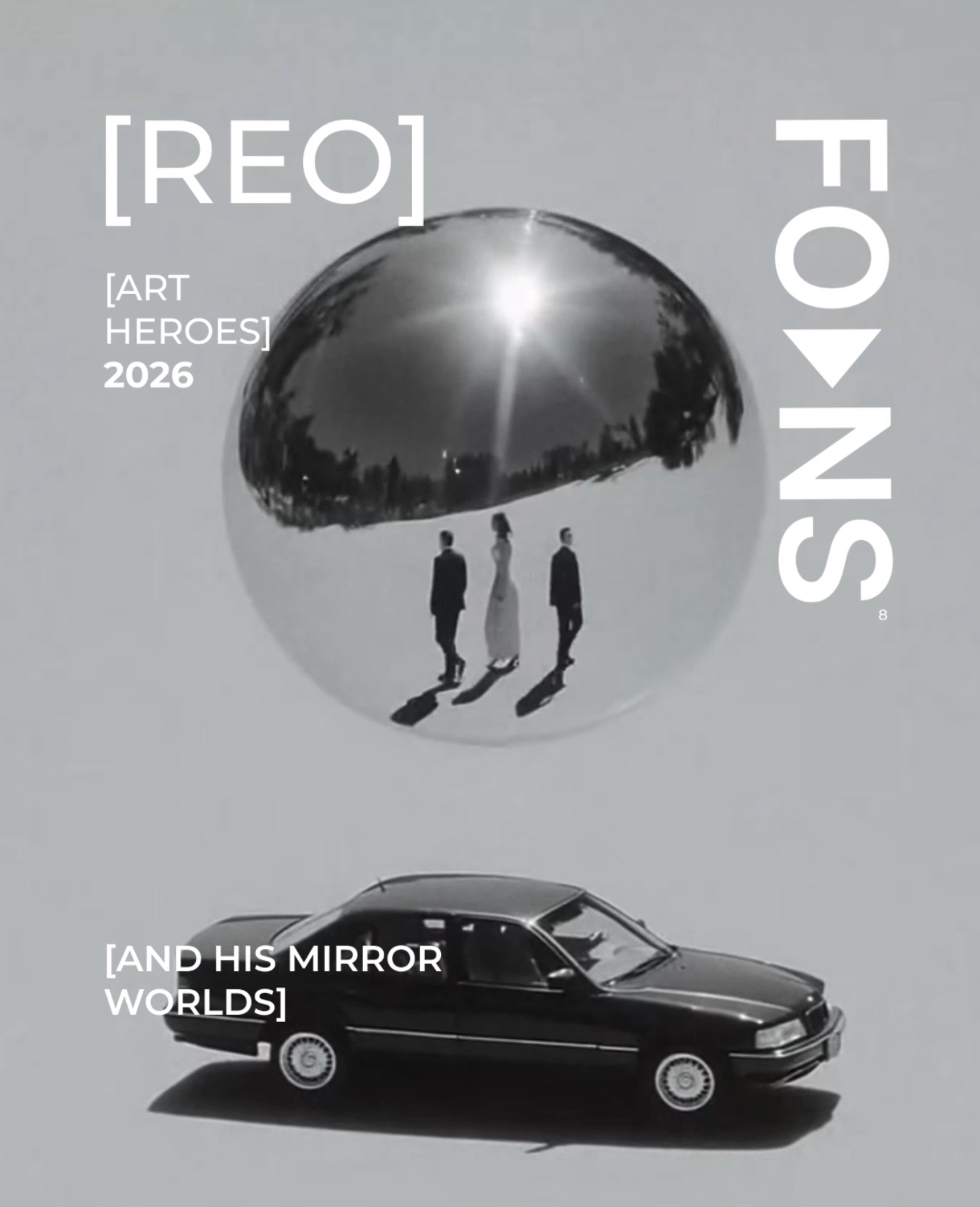

Supporting creative media, reading them, and engaging in dialogue with them is important both culturally and existentially. In a world where algorithms increasingly decide for us what to see and what to reflect on, independent authors remain the last guardians of the authorial perspective. They pass on not just heritage, but a living reflection — to the next generation, which will continue this conversation.
© 2026 Company Inc. All rights reserved.
