[collage]
fons&propaganda
2026

In this piece, we aim to offer a glimpse into the expansive and self-sustaining world of analog collage — a realm of art rich with distinctive voices, galleries, and communities. Joining us today is Propaganda — or, more accurately, its founder Valeria Meizles, an artist and researcher from Moldova. She walks us through the world of analog collage, and opens up about her own creative practice and ideas.
F: Tell us about collage as a medium, so that our audience can understand what this art form is and what collage is today.
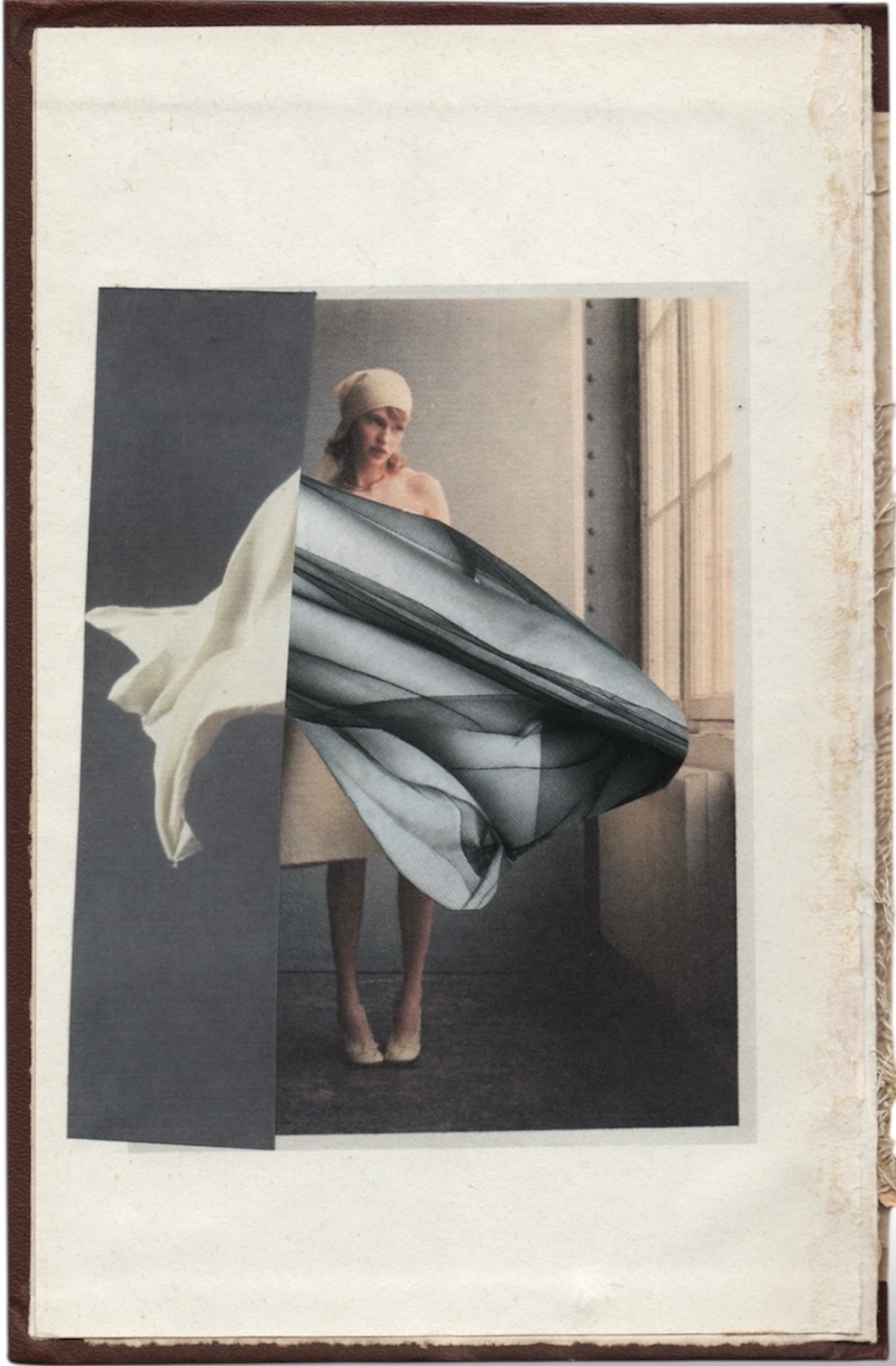
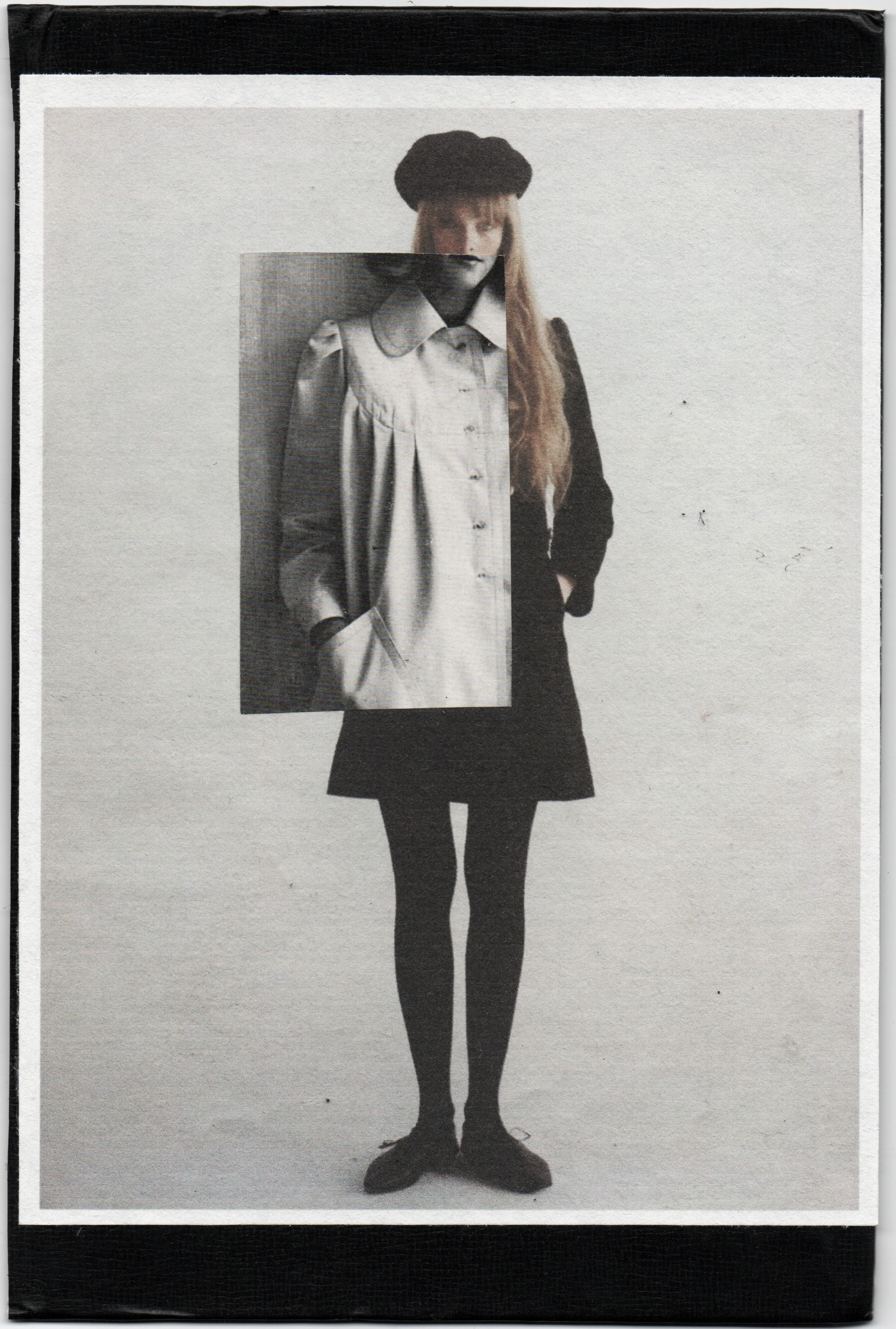
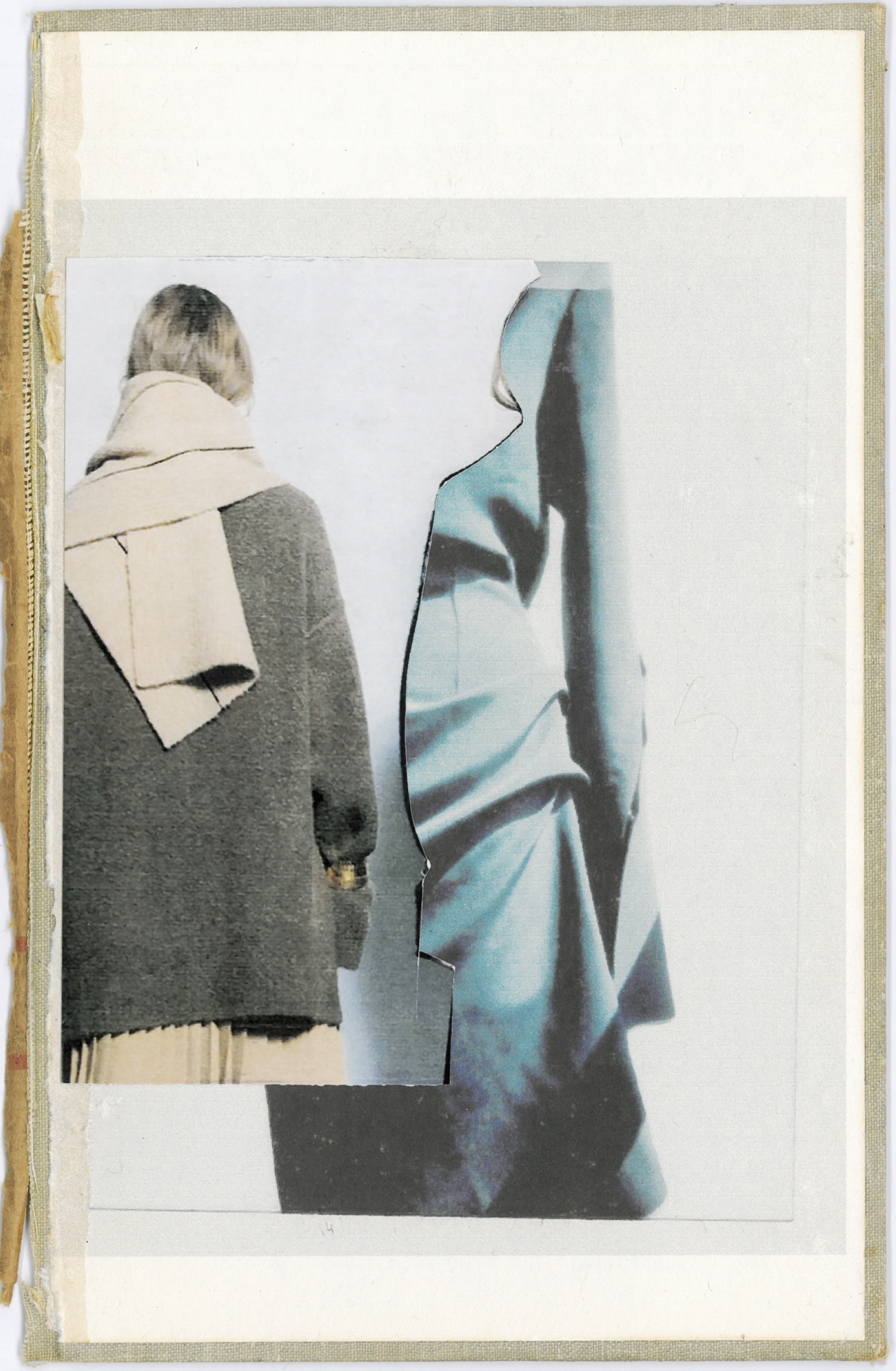
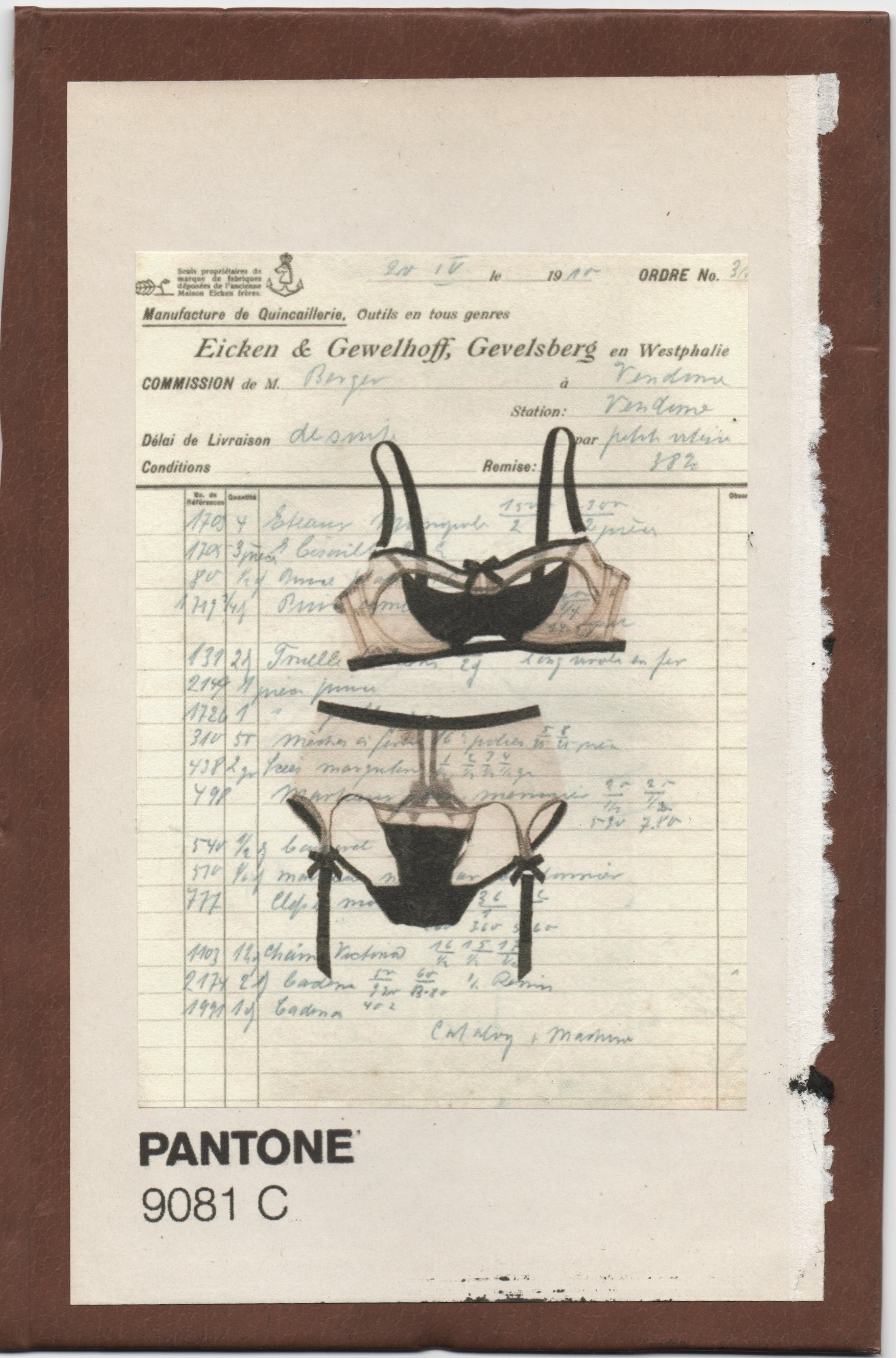
V: Let's start with the biggest stereotype: contemporary collage is no longer just cutouts from glossy magazines or a child's craft project. Today, it is one of the deepest, most intellectual, and most free-ranging movements in contemporary art. At its core, it is a rethinking of time through texture. And here I am speaking strictly about the analog method. In an era when everything is digitized and virtual, handmade, tactile collage becomes an attempt to ground oneself. In our frenetically racing world, it is a rare opportunity to stop, to really look at a piece, and to find a resonance within yourself. It is a kind of meditation: a way to slow down reality and let time pass you by while you are engaged in a deep inner search.
So what is collage today? It is the deconstruction of old contexts and the creation of a new visual poetry. The artist takes fragments that have already lived their life, been forgotten or thrown away, strips them of their original utilitarian meaning, and joins them together in ways they could never meet in reality. It is the act of giving things a second, deeper life and transforming the chaos of scattered remnants from the past into the harmony of new meanings.
V: Let's start with the biggest stereotype: contemporary collage is no longer just cutouts from glossy magazines or a child's craft project. Today, it is one of the deepest, most intellectual, and most free-ranging movements in contemporary art. At its core, it is a rethinking of time through texture. And here I am speaking strictly about the analog method. In an era when everything is digitized and virtual, handmade, tactile collage becomes an attempt to ground oneself. In our frenetically racing world, it is a rare opportunity to stop, to really look at a piece, and to find a resonance within yourself. It is a kind of meditation: a way to slow down reality and let time pass you by while you are engaged in a deep inner search.
So what is collage today? It is the deconstruction of old contexts and the creation of a new visual poetry. The artist takes fragments that have already lived their life, been forgotten or thrown away, strips them of their original utilitarian meaning, and joins them together in ways they could never meet in reality. It is the act of giving things a second, deeper life and transforming the chaos of scattered remnants from the past into the harmony of new meanings.
F: Tell us, why did you choose collage as the way to bring your art into the world?
V: I've always been looking for a way to express what escapes ordinary words — inner states and subtle meanings that are hard to put into a conventional form. Classical, predictable art forms or academic painting never really appealed to me. I wanted to find a language that was deep and conceptual — something that could truly reach a person from within, speak to them gently, without unnecessary noise or flashy effects.
And I found that in collage. The technique itself, the process of working with vintage materials, archival paper, old scraps — it all turned out to be so hypnotic to me that I fell into it completely. In collage, everything came together in a wonderful way: a childhood love for cutting things out, a reverence for antique textures, and the sheer thrill of the hunt. For me, it's not just about gluing pictures together. It's about working with the architecture of forgotten time, creating new visual riddles out of fragments of other people's memories. I suppose there's simply no better way for me to express myself.
Lately, I've started to feel confined by the flat surface of a page, so I've been experimenting more and more with form and texture. I'm bringing collage into three-dimensional objects — wooden cross-sections, domino tiles. It's important for me to make art not just visually interesting, but tangible, physical. So that the viewer can feel that layeredness and history not just with their eyes, but literally reach out and touch it with their hands.
And I found that in collage. The technique itself, the process of working with vintage materials, archival paper, old scraps — it all turned out to be so hypnotic to me that I fell into it completely. In collage, everything came together in a wonderful way: a childhood love for cutting things out, a reverence for antique textures, and the sheer thrill of the hunt. For me, it's not just about gluing pictures together. It's about working with the architecture of forgotten time, creating new visual riddles out of fragments of other people's memories. I suppose there's simply no better way for me to express myself.
Lately, I've started to feel confined by the flat surface of a page, so I've been experimenting more and more with form and texture. I'm bringing collage into three-dimensional objects — wooden cross-sections, domino tiles. It's important for me to make art not just visually interesting, but tangible, physical. So that the viewer can feel that layeredness and history not just with their eyes, but literally reach out and touch it with their hands.
F: How long have you been doing this, and tell us about your very first collage?
V: My journey began around 2018–2019. That very first collage came about completely spontaneously, all on its own — it was a piece assembled from the pages of an ordinary glossy magazine, with some kind of text message on it. Of course, visually that work is infinitely far from what I create today. But it was precisely that collage that made me stop and think: how do you convey essence and inner state without relying on clues like symbols or ready-made words? How do you make the viewer feel the message using only a pure visual image? That question was the starting point of my long search for a style of my own.
The transition to what I do now took a long time. At first, it was mentally difficult to let go of structure, of logically "thought-through" composition, and completely surrender to an intuitive, free-flowing dialogue with paper. To develop that kind of vision, I immersed myself deeply in context: I studied other artists' work, read specialized books, watched a lot of independent cinema, and listened to music — building a strong visual vocabulary.
The first years were a period of constant experimentation, of feeling my way toward my own aesthetic, and all the while my archive of fragments kept growing without pause. There were quiet periods when I stepped away from making art for a while, but again and again, I would feel myself pulled back with renewed force. In a way, collage for me has always been a search within myself. Sifting through old elements, you keep reassembling your own self, finding answers to inner questions that otherwise could never be put into words.
V: My journey began around 2018–2019. That very first collage came about completely spontaneously, all on its own — it was a piece assembled from the pages of an ordinary glossy magazine, with some kind of text message on it. Of course, visually that work is infinitely far from what I create today. But it was precisely that collage that made me stop and think: how do you convey essence and inner state without relying on clues like symbols or ready-made words? How do you make the viewer feel the message using only a pure visual image? That question was the starting point of my long search for a style of my own.
The transition to what I do now took a long time. At first, it was mentally difficult to let go of structure, of logically "thought-through" composition, and completely surrender to an intuitive, free-flowing dialogue with paper. To develop that kind of vision, I immersed myself deeply in context: I studied other artists' work, read specialized books, watched a lot of independent cinema, and listened to music — building a strong visual vocabulary.
The first years were a period of constant experimentation, of feeling my way toward my own aesthetic, and all the while my archive of fragments kept growing without pause. There were quiet periods when I stepped away from making art for a while, but again and again, I would feel myself pulled back with renewed force. In a way, collage for me has always been a search within myself. Sifting through old elements, you keep reassembling your own self, finding answers to inner questions that otherwise could never be put into words.
F: What do you dream about, and what inspires you?
V: You know, I'm one of those people who doesn't really believe in abstract dreams — I prefer to plan and set concrete goals for myself. For me, art is not a romantic expectation of a miracle, but a methodical exploration and daily work.
If we're talking about big-picture plans, as an artist I'm definitely aiming for major solo exhibitions. Also, a priority right now is to finish my own book — a project where the philosophy of my vision unfolds through the synergy of visual collages and analytical texts. Lately, I've actually been writing a lot more: I create theoretical texts in which I explore in detail the metaphysics of collage, its structure, and its impact on our perception. It's important for me to capture that foundation and bring it into the material realm.
As for inspiration, the focus of my interests has shifted significantly. I'm increasingly drawn to archaeological finds (which I can literally weave into the fabric of a collage), elements of shamanism, anthropological research, and books about the phenomenon of synchronicity in our world. This direct connection to history and metaphysics energizes me immensely. The awareness of how invisible threads link the past and the present, the random and the inevitable, drives me to look ever deeper in this direction, to lean more and more into shamanic motifs, and to transfer those meanings into my work. In connection with this, I've also begun actively experimenting with encaustic technique, while simultaneously building and articulating a deep philosophical foundation for it.
If we're talking about big-picture plans, as an artist I'm definitely aiming for major solo exhibitions. Also, a priority right now is to finish my own book — a project where the philosophy of my vision unfolds through the synergy of visual collages and analytical texts. Lately, I've actually been writing a lot more: I create theoretical texts in which I explore in detail the metaphysics of collage, its structure, and its impact on our perception. It's important for me to capture that foundation and bring it into the material realm.
As for inspiration, the focus of my interests has shifted significantly. I'm increasingly drawn to archaeological finds (which I can literally weave into the fabric of a collage), elements of shamanism, anthropological research, and books about the phenomenon of synchronicity in our world. This direct connection to history and metaphysics energizes me immensely. The awareness of how invisible threads link the past and the present, the random and the inevitable, drives me to look ever deeper in this direction, to lean more and more into shamanic motifs, and to transfer those meanings into my work. In connection with this, I've also begun actively experimenting with encaustic technique, while simultaneously building and articulating a deep philosophical foundation for it.
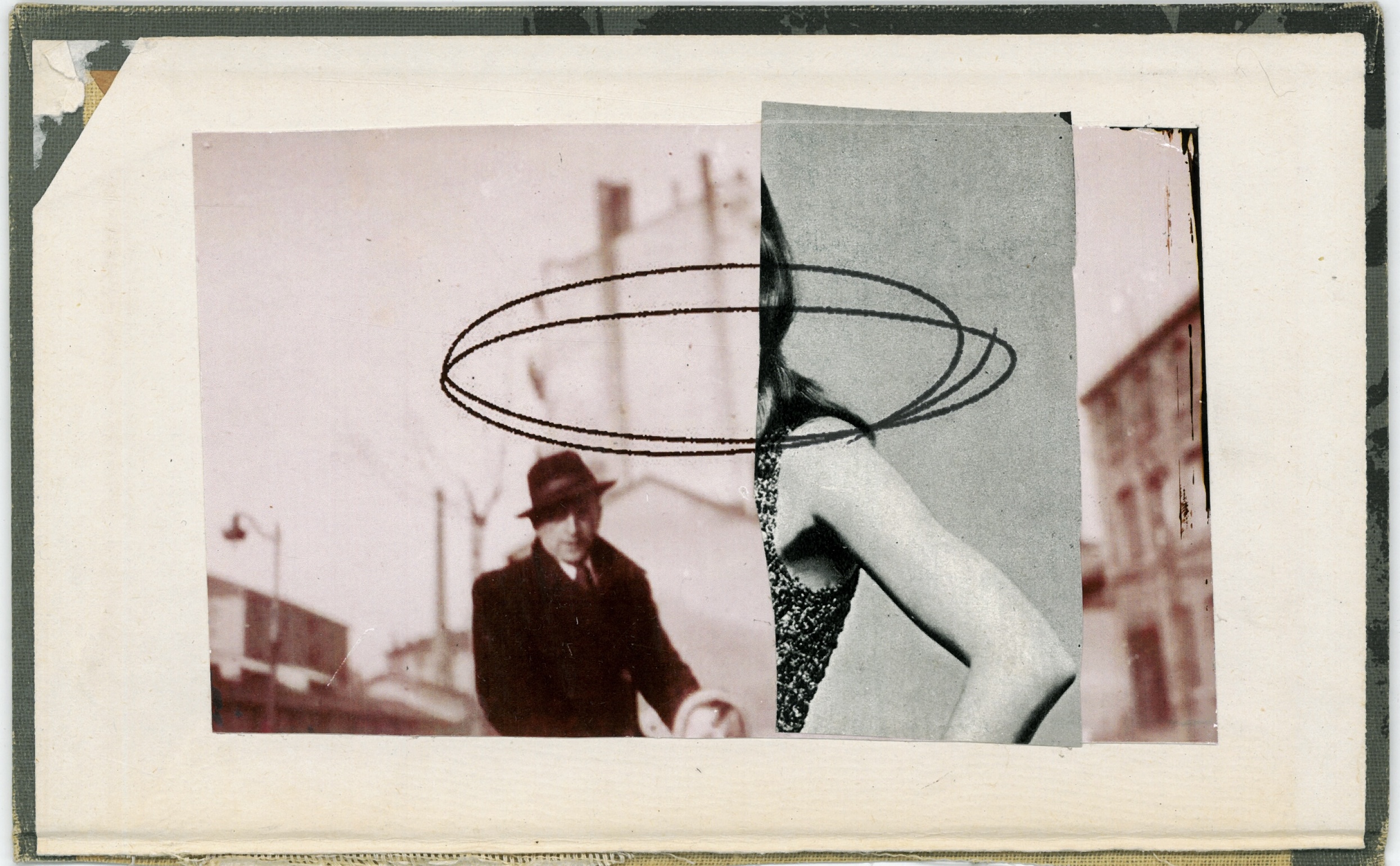
F: Could you recommend some artists, galleries, and magazines to help build visual literacy in this field?
V: I strongly believe that in art, everyone eventually finds their own unique niche, so there are no universal recipes. But if I'm to share what shapes my personal vision and gives me a powerful intellectual charge, I would point to a few key references.
When it comes to pure visual inspiration and aesthetics, my touchstone is the Belgian artist Katrien De Blauwer. Her personal website (https://www.katriendeblauwer.com/) is an incredibly beautiful, refined space that perfectly conveys the very essence, the melancholy, and the delicate texture of analog collage.
When I need a global search for hidden meanings, information, and rare images, my absolute favorite is the Internet Archive (https://web.archive.org/). It's an endless digital universe containing millions of rare old books, documents, audio recordings, and prints from all over the world.
Right behind it in my personal top list is the project UbuWeb (https://www.ubu.com/). This is a unique, vast digital library that has been running since 1996. A true Klondike for researchers: it contains literally everything — from forgotten avant-garde audio recordings, concrete poetry, and rare video art, to manifestos and texts that you won't find anywhere else.
And when it comes to deep theoretical reading and writing about culture, my number one platform is Syg.ma (https://syg.ma/). It's a wonderful space for publishing independent research, and I actively use it myself as a place for my articles, where I share my thoughts and analyze the metaphysics of collage.
V: I strongly believe that in art, everyone eventually finds their own unique niche, so there are no universal recipes. But if I'm to share what shapes my personal vision and gives me a powerful intellectual charge, I would point to a few key references.
When it comes to pure visual inspiration and aesthetics, my touchstone is the Belgian artist Katrien De Blauwer. Her personal website (https://www.katriendeblauwer.com/) is an incredibly beautiful, refined space that perfectly conveys the very essence, the melancholy, and the delicate texture of analog collage.
When I need a global search for hidden meanings, information, and rare images, my absolute favorite is the Internet Archive (https://web.archive.org/). It's an endless digital universe containing millions of rare old books, documents, audio recordings, and prints from all over the world.
Right behind it in my personal top list is the project UbuWeb (https://www.ubu.com/). This is a unique, vast digital library that has been running since 1996. A true Klondike for researchers: it contains literally everything — from forgotten avant-garde audio recordings, concrete poetry, and rare video art, to manifestos and texts that you won't find anywhere else.
And when it comes to deep theoretical reading and writing about culture, my number one platform is Syg.ma (https://syg.ma/). It's a wonderful space for publishing independent research, and I actively use it myself as a place for my articles, where I share my thoughts and analyze the metaphysics of collage.
F: What would you recommend to those who are just starting their journey in this direction?
V: My main personal recommendation is — never be afraid to experiment and try new things. And do it constantly. In art, it's very easy to get stuck in your comfort zone once you've found a technique that works and you start getting good at it. But the secret is to never rest on the skill you've already achieved.
Don't be afraid to break your own rules, change your materials, move from the flat surface into three dimensions, make mistakes. Collage is a living process, and it stays interesting as long as there's an element of surprise in it for you yourself. Keep growing, expand your visual vocabulary, read, listen, and most importantly — keep searching and reinventing yourself. It is only in that continuous search that your own unique visual language is born.
V: My main personal recommendation is — never be afraid to experiment and try new things. And do it constantly. In art, it's very easy to get stuck in your comfort zone once you've found a technique that works and you start getting good at it. But the secret is to never rest on the skill you've already achieved.
Don't be afraid to break your own rules, change your materials, move from the flat surface into three dimensions, make mistakes. Collage is a living process, and it stays interesting as long as there's an element of surprise in it for you yourself. Keep growing, expand your visual vocabulary, read, listen, and most importantly — keep searching and reinventing yourself. It is only in that continuous search that your own unique visual language is born.
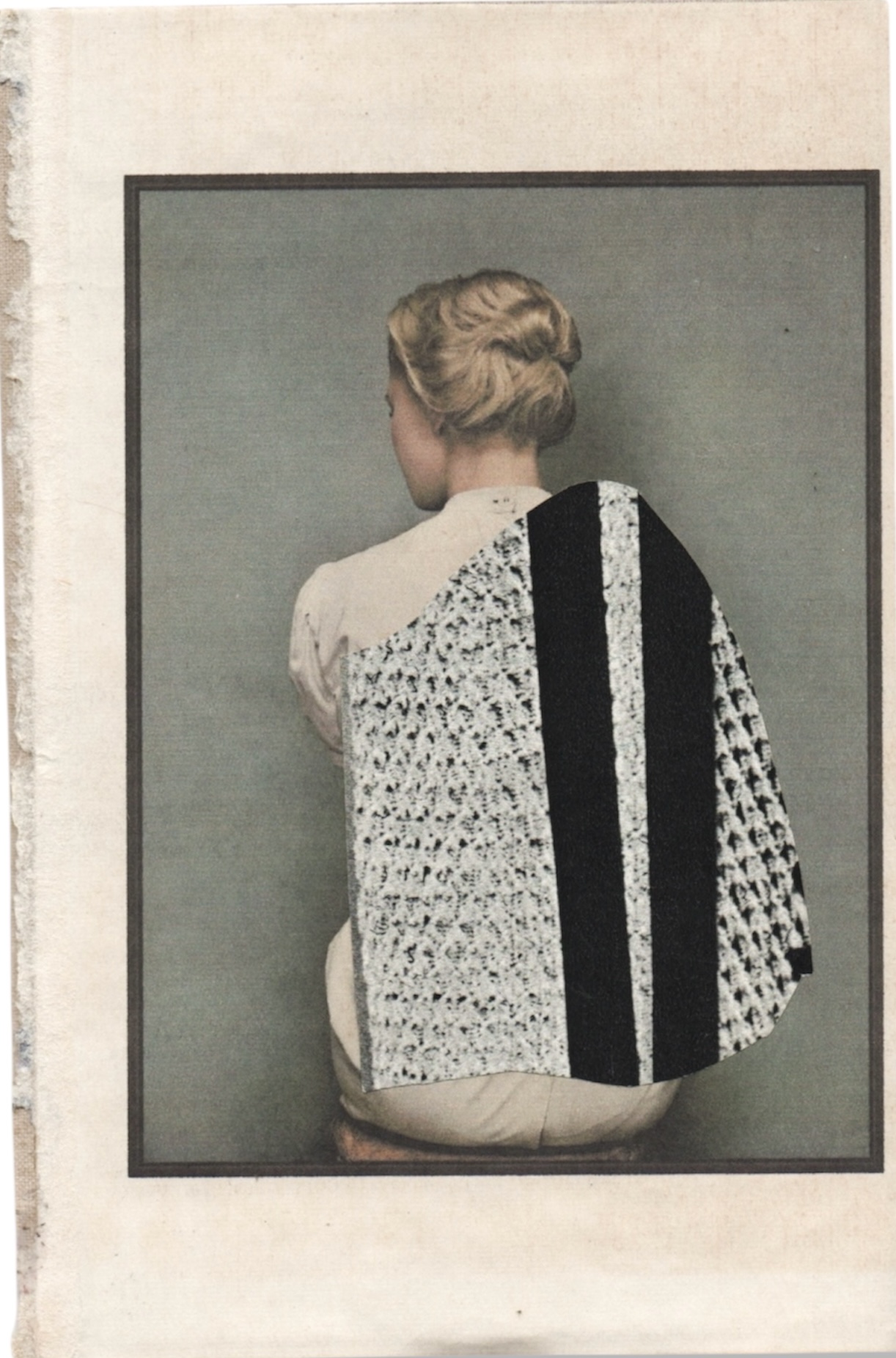
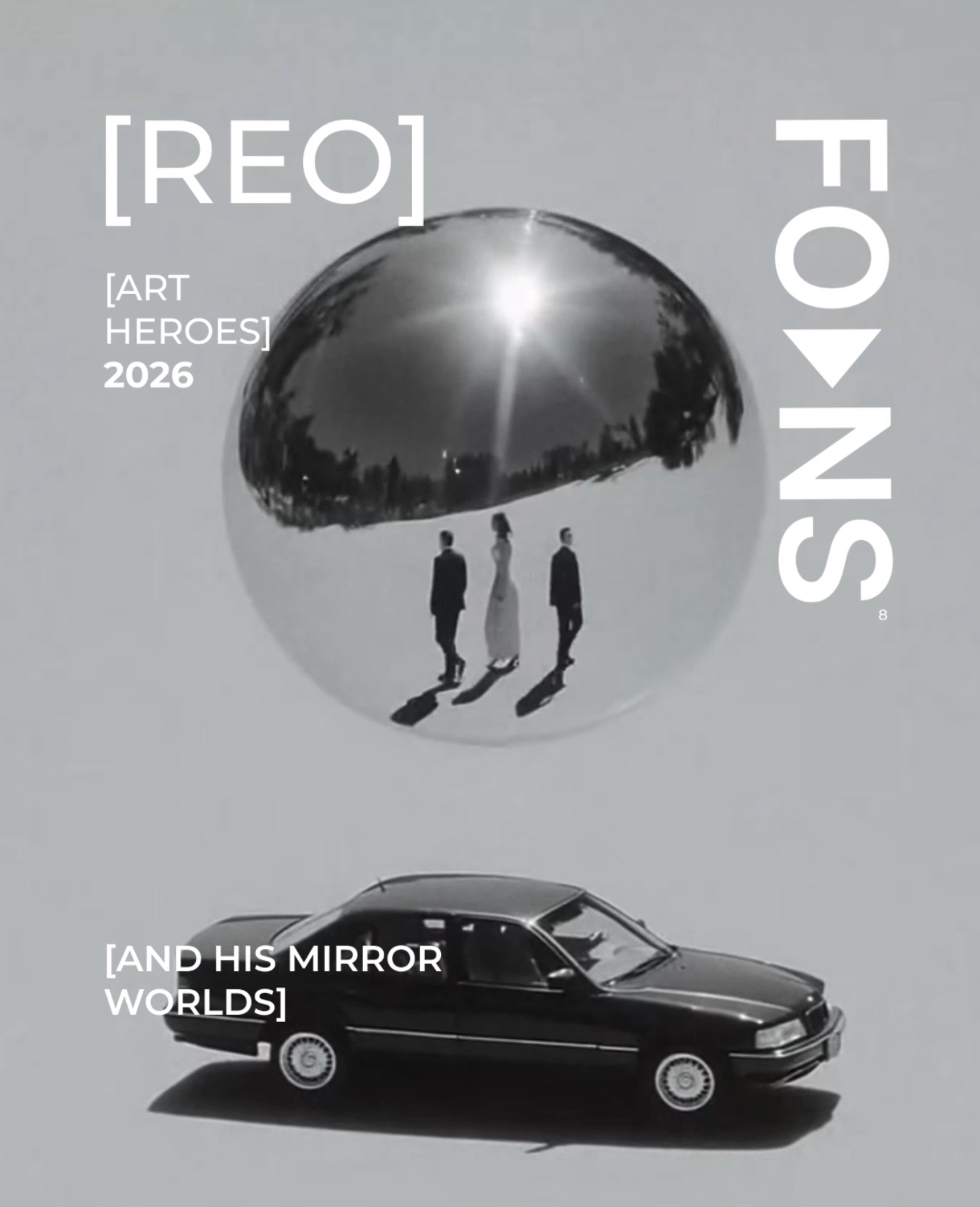
#1REO
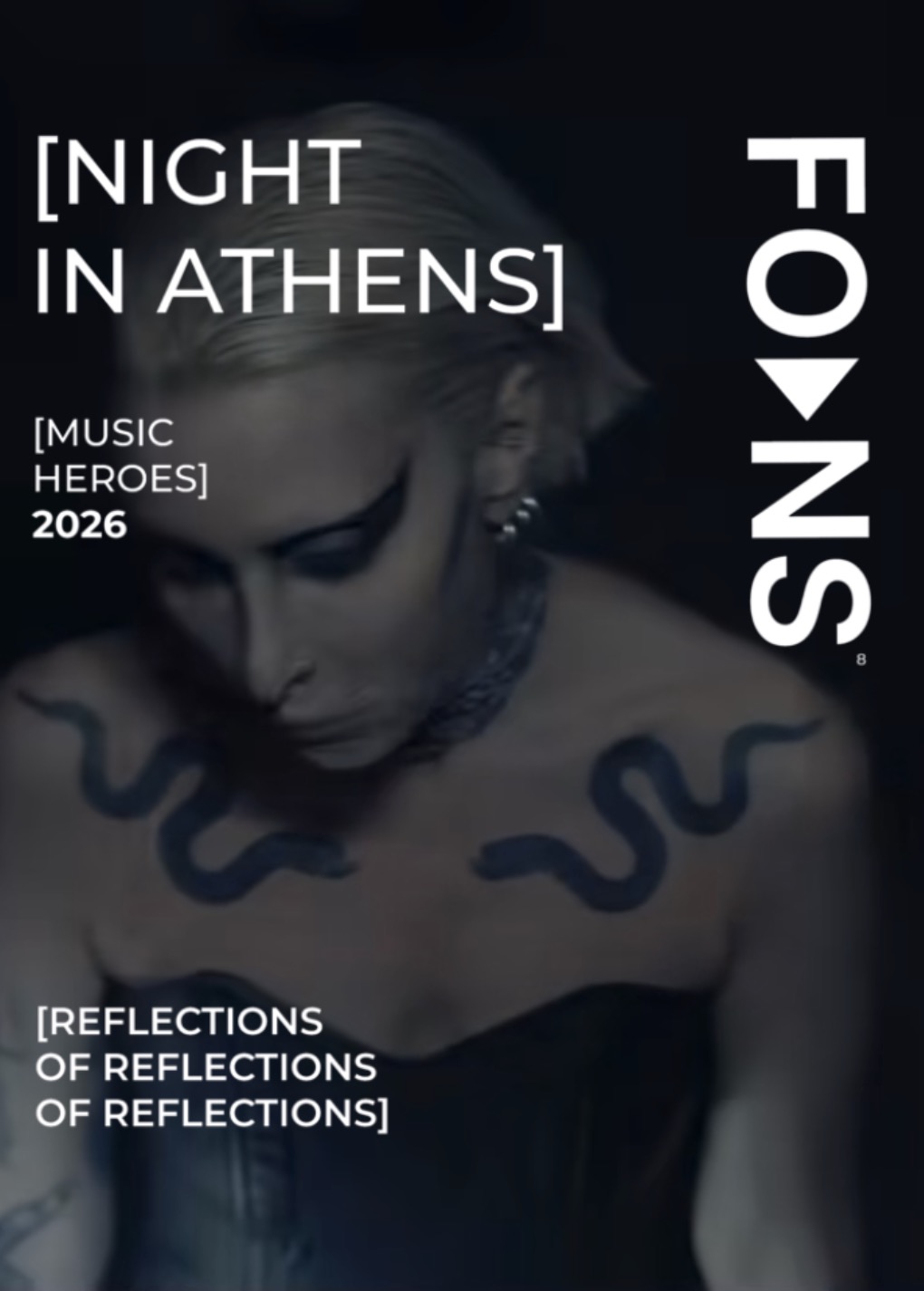
#4 NIGHT IN
ATHENES
ATHENES
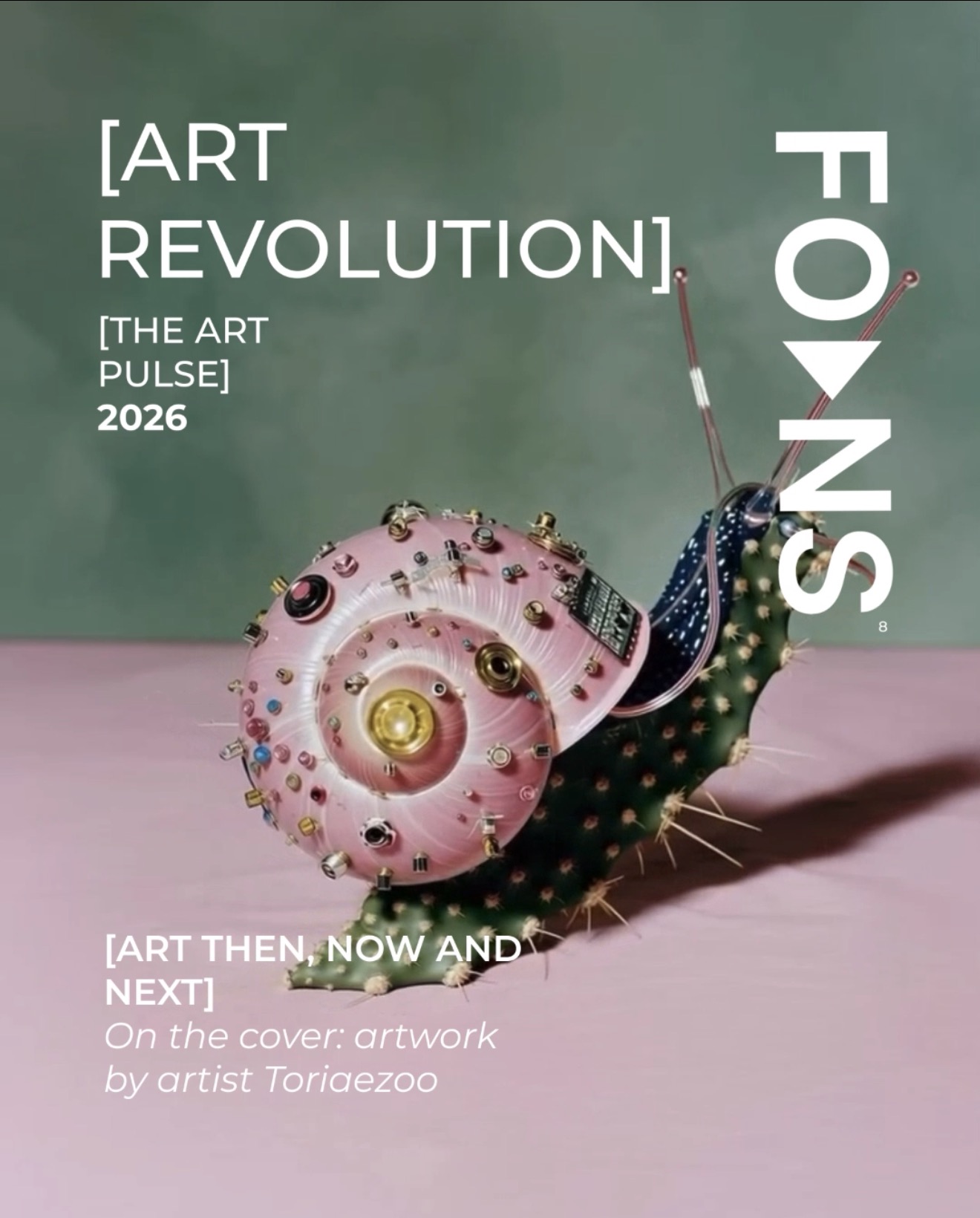
#3 ART
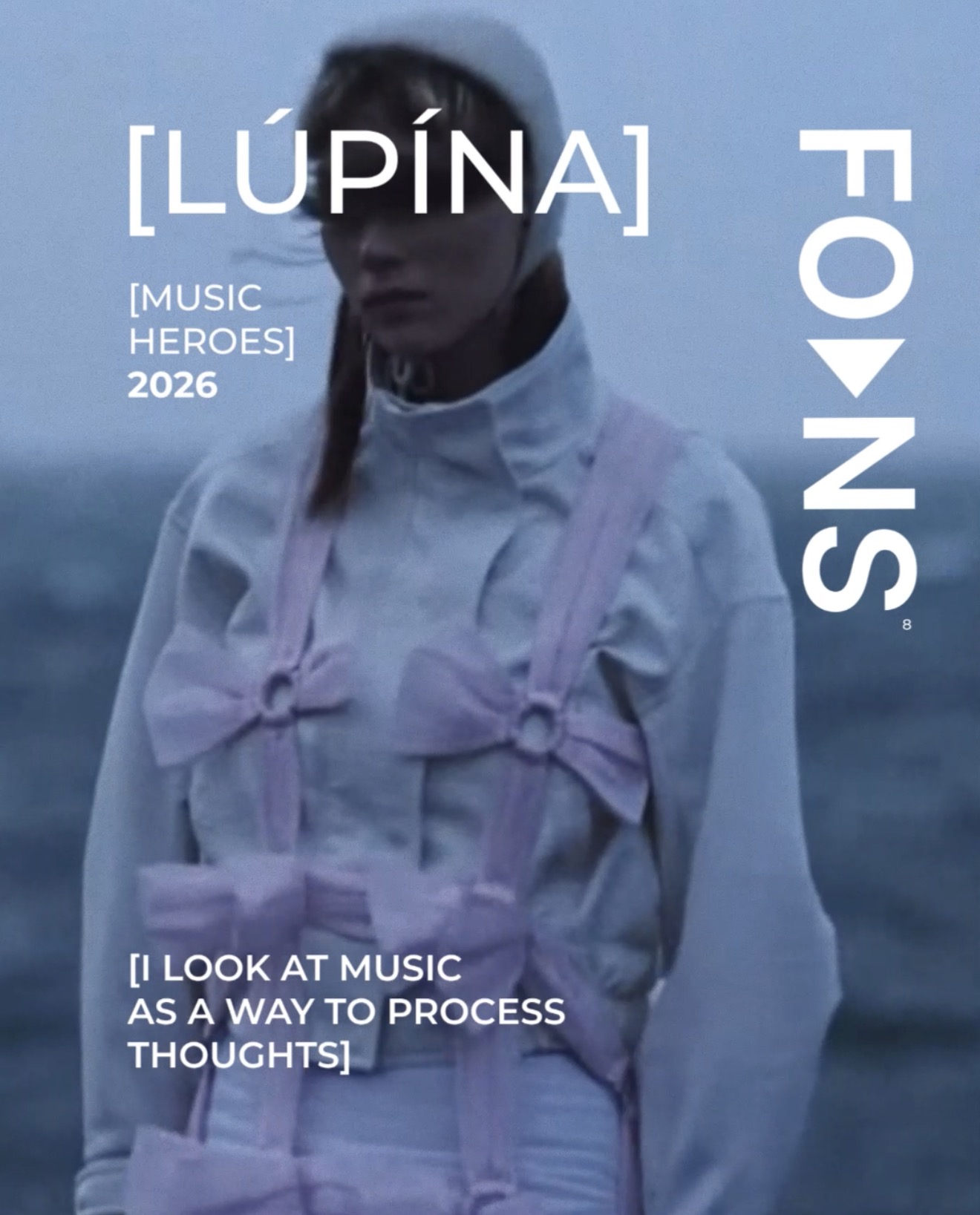
#2 LUPINA
Follow Valeriya on social media and on Sygma to learn more about this wonderful direction, or use the link to all available materials.
© 2026 Company Inc. All rights reserved.
